Category: Uncategorized

  • Get a 1k Personal Loan Fast with Instant Approval

    1k personal loan

    Get a 1k Personal Loan Fast with Instant Approval

    Securing a $1,000 Quick Cash Injection

    Navigating Mobile Apps and Direct Lenders

    When an unexpected bill lands on your kitchen table, your first instinct might be to reach for your phone. In 2026, finding a $1,000 cash advance has become incredibly straightforward. Many people turn to specialized mobile apps that bridge the gap between a zero bank balance and an urgent expense.

    Direct lenders have become the heavy hitters in the digital market. Unlike old-school institutions that require a mountain of paperwork, these online entities often provide quick approval. They use algorithms to assess your ability to repay, often delivering results in minutes rather than days.

    If you find yourself in a tight spot, exploring these digital avenues can feel like finding a lifesaver in a storm. You might consider using a mobile app for a small $500 boost or aiming for a full $1,000 through a direct lender. It is about finding the right fit for your specific situation.

    Many users find success by comparing different platforms side-by-side. You shouldn’t just settle for the first offer that pops up on your screen. It pays to be a bit of a detective, looking at interest rates and repayment terms to ensure you aren’t jumping from one frying pan into another.

    Credit Accessibility and Loan Feasibility

    The “elephant in the room” is almost always your credit score. If your history is a bit messy, you might feel like the doors to traditional banking are slammed shut. However, the market has shifted significantly to accommodate those with less-than-perfect credit through various alternative lending models.

    Some specialized lenders offer impact loans specifically designed for smaller amounts, ranging from $200 to $1,000. The beauty of these products is that they often require no minimum credit score. This makes them a viable lifeline for someone who needs to cover a sudden car repair or a medical bill.

    It is a bit of a double-edged sword, though. While accessibility is higher, the cost of borrowing can climb. You must weigh the convenience of getting a $1,000 loan immediately against the total interest you will eventually pay back. It’s a balancing act that requires a clear head and a steady hand.

    Ultimately, obtaining $500 to $1,000 for emergencies is highly feasible in the current economy. Whether you use a credit card or a specialized app, the liquidity is there. Just remember to check https://jetzloan.com to see how different options stack up against your immediate financial goals.

    Speed of Funding: Digital vs. Traditional

    Time is a luxury nobody has when an emergency strikes. In the past, waiting for a bank transfer felt like watching paint dry. You would submit an application and then wait several business days for the funds to actually clear your account and become usable.

    Today, the experience looks much different. Many online lenders offer quick funding, sometimes delivering loans within a single business day. Some even provide instant approval, allowing you to move from “application” to “funded” faster than you can grab a cup of coffee.

    To help you visualize the difference, consider the following comparison of typical delivery speeds for a $1,000 request:

    Method Typical Approval Time Fund Availability
    Traditional Bank Transfer 1 to 3 Business Days Variable (often next day)
    Online Personal Lender Minutes to Hours Same Day or Next Day
    Mobile Cash Advance App Instant Approval Immediate to 24 Hours

    Digital cash advances have essentially killed the “waiting game.” While a traditional bank might still be processing paperwork, a digital lender has already sent the notification that your funds are en route. It is a massive advantage when you are staring down a deadline for an unpaid utility bill.

    Lender Comparison and Interest Rate Realities

    When you are staring down a $1,000 shortfall, it is easy to assume all borrowing is created equal. However, the math tells a different story. A small-scale loan is often a “quick fix” tool, whereas larger products, like those from Discover®, are built for significant lifestyle shifts or debt consolidation.

    For instance, Discover® typically focuses on larger amounts, starting their personal loan offerings around $2,500 and reaching up to $40,000. Their APRs can range from 6.99% to 24.99%. When you compare this to a $1,000 emergency loan, the mechanics and the interest structures diverge significantly.

    Smaller loans often carry higher APRs because the lender is taking on more risk for a smaller payout. You are essentially paying a premium for the convenience of a smaller, more accessible amount. It is a trade-off between the scale of the capital and the cost of the money itself.

    Comparing these two worlds is like comparing a snack to a full meal. One is meant to tide you over during a hungry afternoon, while the other is a planned event. Understanding this distinction prevents you from applying for a massive loan when a small one would suffice, or vice versa.

    Interest Rates and Loan Structures

    The distinction between an instant installment loan and a high-interest cash advance is the difference between a steady climb and a vertical drop. Installment loans provide a structured ladder, with fixed monthly payments that eventually lead you to the top of the debt. This predictability is a lifesaver for budgeting.

    On the other hand, cash advances can feel like walking through quicksand. While they offer immediate relief, the interest rates are often astronomical, and the repayment terms can be incredibly punishing. If you aren’t careful, a $1,000 cash advance can quickly balloon into a much larger headache.

    Think of an installment loan as a controlled burn. It is designed to be managed over time, providing a clear path to zero balance. A cash advance is more like a sudden flash flood; it arrives fast and with immense power, but it can leave a mess if not handled correctly.

    If you find yourself needing funds, check how the interest is calculated. Many lenders use daily compounding, which means every day you wait to pay it back, the mountain of debt grows just a little bit taller. Always look for the APR, not just the monthly payment.

    Finding Speed and Value

    In the digital age, speed is king. If you need cash to fix a flat tire or pay a utility bill, you cannot afford to wait a week. Many modern lenders, such as SoFi, have mastered the art of quick funding, often delivering loans within a single business day.

    This speed is a double-edged sword. The faster the money arrives, the more likely you are to encounter “convenience fees” or higher rates. It is vital to identify lenders that offer same-day funding without hiding predatory terms in the fine print. You want speed, but you also want sanity.

    The following table illustrates how different borrowing options compare in terms of their typical costs and terms for a $1,000 scenario:

    Loan Type Typical APR Range Funding Speed Term Length
    Installment Loan 8% – 36% 1 – 3 Days 12 – 60 Months
    Cash Advance 25% – 45%+ Instant Variable/Short
    Impact Loan 10% – 30% Same Day 6 – 24 Months
    Credit Card Advance 22% – 29% Immediate Ongoing

    When reviewing these figures, remember that your credit score plays a massive role in where you land on these scales. A high score might land you at the bottom of the table, while a lower score might push you toward the more expensive options on the list.

    It is a bit like shopping for flights. You can get a budget ticket that requires three layovers, or a direct flight that costs a bit more but saves you hours of stress. Both will get you to your destination, but the total “cost” of your time and money differs wildly.

    Ultimately, the “best” loan is the one that solves your immediate crisis without creating a secondary one six months down the road. If you need $1,000, look for an option that balances the need for speed with a repayment schedule that won’t keep you up at night.

    Impact Loans and Low Minimum Credit Requirements

    Sometimes, a financial hiccup doesn’t require a massive windfall; it just needs a quick bridge to get you through the month. This is where impact loans shine. These specialized instruments are designed for specific, smaller needs, typically ranging from $200 to $1,000. They act as a tactical strike against minor emergencies rather than a long-term structural overhaul.

    Imagine you are staring at a car repair bill or a sudden medical expense. You don’t need $10,000, but $500 would certainly stop the bleeding. Impact loans are built for these exact moments. They provide a surgical solution for micro-crises, allowing you to address immediate obligations without the heavy baggage of a large-scale debt obligation.

    Because the amounts are relatively low, the entire process is streamlined. You aren’t going through a deep dive into your entire financial history just to borrow a few hundred bucks. It is about speed and precision, ensuring that a small problem doesn’t snowball into a massive, unmanageable mountain of debt later on.

    However, don’t mistake “small” for “easy money.” Even though the amounts are modest, they still carry weight. You must approach these small-dollar loans with the same discipline you would a $10,000 loan. If you treat a $300 impact loan like “play money,” you might find yourself in a hole that is surprisingly difficult to climb out of.

    The Safety Net of No-Minimum Credit Requirements

    For many, the biggest barrier to accessing capital is a credit score that looks more like a basement temperature than a financial metric. This is where lenders with no-minimum credit score requirements come into play. They look beyond the three-digit number and focus on your actual ability to repay the specific amount.

    Think of it as a door that stays unlocked even if you don’t have a VIP pass. Traditional lenders might turn you away at the gate if your score is lagging, but impact lenders often use alternative data. They want to see if you have a steady income or a history of managing smaller obligations effectively.

    This flexibility is a lifesaver for those rebuilding their financial standing. It provides a way to inject cash into a crisis without being forced into the arms of predatory payday lenders. While the interest might be higher than a prime rate loan, it is often a much safer harbor than a high-interest cash advance.

    It is essentially a second chance in a digital format. By focusing on the immediate utility of the funds rather than a perfect credit history, these lenders help keep the wheels of your daily life turning. It is a pragmatic approach to lending in an increasingly volatile economic landscape.

    Navigating the Online Application Process

    Applying for these loans has become a remarkably smooth experience thanks to the digital revolution. Most lenders allow you to apply online in a matter of minutes. You can often select “Personal loans” from a dropdown menu and find the flexible credit thresholds you need without ever stepping foot in a physical bank branch.

    The process is usually quite intuitive. You’ll provide basic information, such as your income and the amount you need, and the system does the heavy lifting. Because these are designed for speed, many platforms can provide an answer almost instantly, allowing you to move forward with your plans without unnecessary delay.

    Keep in mind that “fast” doesn’t mean “careless.” You should still read the terms carefully. Even a quick online form can hide details about repayment schedules or late fees. It is always better to spend five extra minutes reading the fine print than to spend five months paying off a mistake.

    When you are sitting at your computer, have your recent pay stubs or bank statements handy. Even if the lender is flexible, providing clear evidence of your income can speed up the approval process. Speed is the name of the game, and being prepared ensures you don’t trip at the finish line.

    Evaluating the Risk-to-Reward Ratio

    Every loan is a balancing act between what you get and what it costs you. When dealing with low-barrier personal loans, the risk to the lender is higher because the borrower’s credit profile might be less certain. Consequently, the reward for the lender comes in the form of higher interest rates or convenience fees.

    For the borrower, the “reward” is immediate liquidity. You get the cash you need right when you need it, which can prevent much more expensive problems down the road. If a $400 loan prevents a $400 late fee on a utility bill, the math is a clear win for your financial health.

    However, you must be wary of the “debt trap” phenomenon. If you are borrowing small amounts constantly to cover basic living expenses, you aren’t solving a problem; you are merely delaying it. A high-interest loan used to pay off another high-interest loan is a recipe for a financial disaster.

    Consider the following comparison to help weigh your options:

    Factor Low-Barrier Impact Loan Standard Personal Loan
    Credit Requirement Minimal to none Strict/High score preferred
    Speed of Funding Very Fast (Hours/Days) Moderate (Days/Weeks)
    Interest Rate Generally Higher Generally Lower
    Ideal Use Case Emergency/Short-term gap Consolidation/Large purchase

    Speed of Funding and Deployment Scenarios

    Imagine you are staring at a sudden, unexpected car repair bill. The mechanic hands you the invoice, and your stomach drops. In these high-pressure moments, the clock becomes your greatest enemy. You don’t need a massive windfall; you just need $1,000 to get back on the road before your boss notices you are late.

    The timeline for getting that cash into your hands depends entirely on the lender’s digital infrastructure. Some modern fintech companies have mastered the art of the “same-day” transfer. If you apply early in the morning and provide all necessary documentation, you might see that $1,000 hit your bank account before the sun sets.

    However, don’t expect a magic wand for every application. While same-day disbursement is becoming more common, it often requires a very high level of digital readiness. You must have your bank account details and identity verification ready to go, or you might find yourself stuck in a waiting game that lasts much longer than intended.

    Waiting for funds can feel like watching paint dry when you are in a bind. If the lender uses traditional banking rails, you might be looking at a standard transfer. Always check if the lender offers “instant” options, as this can be the difference between solving a problem tonight or waiting until next week.

    Comparing Funding Speed and Efficiency

    When comparing options, the distinction between next-business-day funding and instant mobile app advances is vital. Mobile app advances are often the “sprint” of the lending world. They are designed for immediate gratification, providing a quick injection of cash that is often available within minutes of hitting the “confirm” button on your screen.

    On the other hand, next-business-day funding is more like a steady trot. It is incredibly fast by traditional standards, but it still requires that overnight processing period. If you apply on a Friday afternoon, that “next business day” might actually mean Monday morning. This delay can be a dealbreaker if your emergency is happening right now.

    The efficiency of a $1,000 loan often shines when compared to larger unsecured loans. Why take out a $5,000 loan with high closing costs just to cover a $1,000 emergency? A smaller, targeted loan keeps your debt-to-income ratio cleaner and ensures you aren’t paying interest on money you never actually needed to spend.

    Think of it as using a scalpel instead of a sledgehammer. A $1,000 loan is a precision tool designed for specific, localized financial hiccups. Using a large, multi-year personal loan to cover a minor repair is like using a massive construction crane to pick up a single loose screw; it is simply overkill.

    Consider these deployment scenarios for quick liquidity:

    • Emergency Repairs: Using a $1,000 loan to fix a broken refrigerator or a leaking roof immediately.
    • Medical Gaps: Covering a sudden $1,000 co-pay to avoid a buildup of medical debt.
    • Small Business Spikes: Bridging a $1,000 gap in inventory to fulfill a sudden, profitable order.
    • Travel Mishaps: Replacing a lost passport or booking a last-minute flight to handle a family crisis.

    Logistical Differences in Borrowing Methods

    Not all cash is created equal when it comes to how it arrives in your pocket. A direct personal loan is a straightforward transaction: you borrow money, you pay it back with interest, and that is the end of the story. It is a clean, predictable path that keeps your credit lines separate and manageable.

    Credit card cash advances, however, are a different beast entirely. While they offer near-instant access to cash at an ATM, they are notoriously expensive. Most cards charge a higher interest rate for cash advances than for standard purchases, and the interest often starts accruing the very second the money leaves the machine.

    The logistical difference is essentially the “cost of convenience.” A direct loan usually offers a fixed repayment schedule, which allows you to budget with confidence. A cash advance is a revolving debt that can snowball quickly if you aren’t disciplined, making it a much riskier way to handle a $1,000 need.

    Before you reach for your credit card in a moment of panic, weigh the math. A $1,000 direct loan might have a much lower effective cost over a few months. Using a credit card for cash is often like putting out a small fire with a bucket of gasoline—it works in the immediate sense, but it makes things much worse later.

    Method Access Speed Interest Structure Predictability
    Direct Personal Loan 1 to 2 Business Days Fixed APR High
    Mobile App Advance Instant to Hours Variable/High Moderate
    Credit Card Advance Instant (ATM) High/Immediate Low

    Cost Analysis of Small-Dollar Borrowing

    The Reality of Total Repayment

    When you take out a $1,000 installment loan, the sticker price is rarely the final number you see on your bank statement. While the principal is a clean $1,000, the interest and monthly installments can add up quickly. You must look past the initial lump sum to see the true weight of the debt.

    Imagine you secure a $1,000 loan with a 15% APR over a twelve-month term. While it feels like a small amount, you will end up paying back roughly $1,160 by the end of the year. It is a relatively small premium for quick liquidity, but it is still money that is not yours to keep.

    The math changes significantly if you stretch the term out. A longer repayment period might make the monthly bill feel like a light breeze, but it actually increases the total cost of the loan. You might find yourself paying back $1,300 or more just to have that initial $1,000 today.

    Always ask yourself if the convenience is worth the extra hundreds. If you are just bridging a gap for a month, a short-term structure is your best friend. If you treat a small loan like a long-term mortgage, you are essentially throwing cash into a black hole of interest.

    The Hidden Weight of Fees

    Fees are the silent assassins of the lending world. Many short-term cash advances hide their true cost in the fine print of “origination fees” or “processing charges.” These are deducted before the money even hits your account, meaning a $1,000 loan might only net you $950 in your pocket.

    It is a bitter pill to swallow when you realize you are paying interest on money you never actually received. If a lender charges a 5% origination fee, that is $50 gone instantly. When you are staring down an urgent $1,000 bill, every single dollar counts toward your survival.

    Furthermore, watch out for prepayment penalties. Some lenders punish you for being responsible. If you try to pay off that $1,000 loan early to save on interest, they might charge you a fee for doing so. It feels like you are being penalized for trying to get out of debt.

    To avoid these pitfalls, read the disclosure statement like it is a legal contract for a high-stakes merger. If a lender cannot clearly explain where every dollar is going, walk away. Transparency is not a luxury; it is a requirement for any healthy financial relationship.

    Comparing Scales of Debt

    There is a massive gulf between a $1,000 emergency fix and a large-scale debt restructuring. For instance, LightStream offers unsecured personal loans starting at $5,000. These are designed for significant life events, like a home renovation or consolidating much larger chunks of debt across multiple cards.

    Taking out a $5,000 loan when you only need $1,000 is like buying a whole gallon of milk when you only need a splash for your coffee. You are taking on much more risk and much higher total interest. The monthly obligations on a $5,000 loan can become a heavy anchor on your budget.

    On the flip side, a $1,000 loan is a surgical strike. It addresses the immediate crisis without the long-term commitment of a massive loan. You keep your credit profile more agile and avoid the psychological weight of a high-balance debt hanging over your head for several years.

    The decision comes down to the nature of your need. If the $1,000 is a one-time hiccup, keep the loan small and the term short. Using a massive loan for a minor repair is a recipe for unnecessary financial stress and wasted capital.

    The Price of Speed

    In an emergency, speed is often the only thing that matters, but speed comes with a premium. Rapid-response financing, such as same-day loans, often carries higher interest rates to compensate for the lender’s risk and the cost of instant processing. You are essentially paying for time.

    These “emergency” options can be incredibly expensive if you aren’t careful. Some lenders offer high-speed funding but include “convenience fees” that can rival the interest itself. It is easy to get caught in a cycle of borrowing more just to pay off the fees of the previous loan.

    Consider these common hidden costs in the rapid-response market:

    • Origination Fees: Upfront costs that reduce your actual loan proceeds.
    • Late Penalties: High fees for missing a single payment during a stressful time.
    • Prepayment Penalties: Charges that prevent you from paying the loan off early.
    • Variable APRs: Interest rates that can climb higher as market conditions change.

    If you find yourself needing a $1,000 loan frequently, you aren’t facing an emergency; you are facing a budget problem. In that case, the high cost of rapid-response financing will eventually tear your finances apart. Use these tools sparingly and always prioritize the lowest possible APR.

  • Get Fast Loans for Bad Credit Today

    loans for bad credit

    Get Fast Loans for Bad Credit Today

    Imagine standing at a crossroads where your past mistakes don’t dictate your future. Signature-based loans offer a way forward without the heavy anchor of collateral. Instead of putting your car or home on the line, you simply provide your word and proof of income to move ahead.

    These loans rely heavily on your character and steady cash flow rather than physical assets. For many, this feels like a breath of fresh air in a banking world that often feels like a closed door. You aren’t handing over the keys to your property just to get a little breathing room.

    While traditional banks might turn a deaf ear, these lenders look at your banking history and employment status. It is a shift from “what do you own” to “how do you earn.” This approach opens doors for those who have been sidelined by the rigid metrics of standard credit scoring.

    However, don’t take this for granted; your signature is a binding promise. While you won’t lose your house, the lender still expects you to play by the rules. It’s a handshake deal in a digital age, requiring a level of responsibility that keeps the gears turning smoothly.

    The Human Element in Repayment

    Navigating debt can feel like walking through a thick fog, especially when you aren’t sure where you stand. This is where dedicated customer service becomes a lifeline. Having a real person to talk to can turn a stressful financial moment into a manageable conversation.

    When an unexpected expense crops up, you don’t want to fight with a chatbot or a robotic automated system. A dedicated representative can help you understand your options and keep your repayment schedule on track. It’s the difference between feeling lost and having a seasoned guide.

    Good service ensures that you aren’t left guessing about due dates or interest calculations. They act as a steady hand on the tiller, helping you steer through the choppy waters of monthly installments. This level of support makes the entire process feel much less intimidating.

    Many lenders now prioritize this personal touch to build long-term trust. They know that if they help you through a rough patch, you’ll return when things stabilize. It turns a mere transaction into a genuine relationship between the borrower and the institution.

    Estimating Your Monthly Commitments

    Money matters can often feel like a guessing game if you haven’t crunched the numbers. To avoid any nasty surprises, it is wise to estimate what your monthly bite might look like. Understanding these figures upfront prevents the dreaded “sticker shock” when the first bill arrives.

    Your payments will fluctuate based on the total amount you borrow and the interest rate assigned. A smaller loan is a light backpack, while a larger amount can feel like a heavy rucksack. Always aim for a monthly sum that fits comfortably within your existing budget.

    Below is a rough idea of how different loan amounts might look in a typical scenario. Please remember that these are just estimates to help you visualize the commitment ahead.

    Loan Amount Estimated Monthly Payment
    $1,000 $110 – $150
    $5,000 $450 – $550
    $10,000 $850 – $1,100

    If you find yourself in a pinch, you might want to check out specialized options at https://fastlendgo.com. Knowing your numbers is the first step toward financial peace of mind and avoiding a downward spiral of debt.

    Building Credit While Paying Back

    A loan is often viewed as a burden, but it can also be a powerful tool for growth. When used correctly, these loans act as a training ground for your credit score. It is like a workout for your financial reputation, making it stronger over time.

    Every time you make an on-time payment, you are sending a signal to the credit bureaus. You are telling them, “I am a reliable borrower who honors my commitments.” This positive data slowly erodes the damage caused by previous late payments or high balances.

    Think of it as a slow drip of water on a stone; eventually, it carves a new path. It won’t happen overnight, but consistency is the secret sauce to success. A steady history of on-time payments can eventually lead to better rates and larger opportunities.

    However, the double-edged sword of credit is that a single missed payment can undo much of your hard work. You must treat these loans with respect to reap the rewards. It’s a strategic play designed to move you from the sidelines back into the game.

    Speed When Time is of the Essence

    Life has a way of throwing curveballs when we least expect them. Whether it’s a sudden car repair or an urgent medical bill, sometimes you need cash yesterday. In these moments, the speed of funding is not just a luxury; it is a necessity.

    Many modern lenders have streamlined their processes to offer rapid approval and quick transfers. This agility is vital for emergency expenses that cannot wait for a week of traditional underwriting. When you are in a bind, every hour feels like a lifetime.

    Fast funding can prevent a small emergency from spiraling into a massive financial catastrophe. By addressing the problem immediately, you stop the bleeding before it gets out of control. It provides a sense of stability when everything else feels like it’s spinning out of control.

    Just remember that speed often comes with specific terms and conditions. While it’s great to get the money quickly, you should still read the fine print. Ensure you fully understand the cost of that speed before you hit the “apply” button on your phone.

    ## Alternative Qualification Methods for No-Credit-Check Financing

    Traditional banks often act like gatekeepers, peering strictly at your FICO score to decide your fate. However, a new wave of lenders is shifting the spotlight. Instead of looking at where you’ve been, they focus on where you are going by examining your current cash flow and employment status.

    By leveraging income verification and banking history, these lenders can see a much clearer picture of your ability to repay. They dive into your transaction patterns to ensure you have a steady stream of revenue coming in. This approach treats your actual bank balance as a more honest indicator than a static score.

    This method effectively bypasses the “black box” of credit reporting. If your paycheck arrives like clockwork every two weeks, you have a powerful argument for reliability. It turns your daily financial habits into your strongest credential, proving you are a person of your word.

    Prioritizing Cash Flow Over FICO Scores

    When you walk into a big-name bank, they often care more about your past mistakes than your present stability. In contrast, many alternative lenders prioritize your real-time liquidity. They want to see that the money is actually hitting your account, regardless of what a bureau says.

    This shift in focus allows people with recent setbacks to find a way forward. If you have a stable job or receive consistent benefits like SSDI, you are a much more attractive candidate than a report suggests. It is about seeing the person behind the numbers, rather than just a digital ghost.

    Comparing these lenders reveals a significant divide in philosophy. Traditional institutions seek safety in historical data, while alternative providers seek safety in your current momentum. This makes a world of difference when you need to bridge a gap between paychecks or cover an unexpected bill.

    Below is a comparison of how different lenders view your ability to repay based on their specific criteria.

    Lender Type Primary Qualification Factor Typical Approval Speed
    Traditional Bank FICO Credit Score 3 to 7 Business Days
    Alternative Lender Monthly Cash Flow 24 to 48 Hours
    No-Credit-Check Lender Proof of Employment Instant to 24 Hours
    Secured Lender Collateral Value 1 to 3 Business Days

    Analyzing the Risk-to-Reward Ratio

    Every financial decision is a balancing act on a high wire. When you opt for alternative data lending, you are essentially trading a higher interest rate for a much higher chance of getting approved. It is a classic trade-off that requires a cool head and a clear plan.

    The reward is immediate access to capital when you are in a pinch. For many, this is a lifesaver that prevents a spiral of late fees or utility shut-offs. The “reward” is the peace of mind that comes from knowing your immediate crisis is handled.

    However, the risk is that these loans can be more expensive in the long run. If you aren’t careful, the high interest can bite back hard. It is a bit like taking a shortcut through a storm; you might arrive faster, but you’ll likely get a bit soaked along the way.

    Documentation for Non-Traditional Approval

    Since these lenders aren’t relying on a credit report, they will need “proof of life” regarding your finances. You cannot simply walk in and hope for the best; you must come prepared with a digital paper trail. Think of it as building a case for your reliability.

    Typically, you will need to provide recent pay stubs or bank statements. Lenders often use secure portals to link directly to your checking account to verify your income instantly. This “read-only” access allows them to verify your history without a lengthy manual review process.

    You might also need to show proof of residency or identity to satisfy regulatory requirements. Having your digital files organized in one place will make the process feel like a breeze rather than a mountain to climb. Preparation is your best friend in this scenario.

    Common requirements often include:

    • Valid government-issued ID (Driver’s license or Passport)
    • Recent bank statements showing consistent deposits
    • Proof of employment or steady benefit income
    • A valid active bank account for fund transfers

    Speed of Approval and Funding

    If you are standing in a grocery store with a declined card, you don’t need a loan that takes a week to process. Speed is the primary reason people turn to alternative lenders. In many cases, the difference between traditional and alternative is the difference between days and minutes.

    Traditional banks are like massive ocean liners; they are stable but take a long time to turn around. Alternative lenders are more like jet skis; they are incredibly fast and agile. This agility is what makes them the go-to choice for urgent, small-scale financing needs.

    While the speed is impressive, don’t let it blind you to the terms. A loan that arrives in an hour is only helpful if you can afford the repayment schedule. Always weigh the urgency of your need against the total cost of the capital you are receiving.

    ## Payday Loans and Instant Cash Advance Costs

    The Hidden Price of Quick Access

    When you are staring down an unexpected car repair or an overdue utility bill, the speed of a payday loan feels like a lifeline. However, that speed often comes with a specialized entry price. For certain specific payday products, you might encounter a $20.00 application fee right out of the gate.

    It is important to view this fee not just as a cost, but as a gateway to immediate liquidity. While $20.00 might seem like a small amount in the grand scheme of a crisis, it is a non-refundable commitment. You are essentially paying for the privilege of bypassing the standard, grueling scrutiny of traditional banking institutions.

    Think of it as a fast-pass at a theme park. You are paying a premium to skip the long lines and the heavy baggage checks. While the $20.00 fee is a minor hurdle, you must ensure that the actual loan amount you receive justifies the initial outlay and the subsequent interest rates.

    Before you hit that “apply” button, keep these costs in mind:

    • The upfront $20.00 application fee for specific products.
    • The high interest rates typical of short-term cash advances.
    • Potential late fees if the repayment cycle is missed.
    • The impact of frequent borrowing on your long-term financial health.

    Comparing Speed and Cost Structures

    Choosing between an instant-approval payday loan and a traditional bank loan is a classic case of “fast versus frugal.” A traditional bank is like a slow-moving freight train; it is reliable and carries a low cost, but it takes forever to get moving. If you need cash today, a bank might be too slow.

    In contrast, instant-approval payday loans act like a speedboat. They can zip you through the approval process in a matter of minutes, providing much-needed relief during an emergency. However, that agility comes with a steeper price tag. The interest on these short-term advances is often significantly higher than anything a standard bank would offer.

    The math can be tricky if you aren’t looking closely. A bank might charge a low annual percentage rate, but they might take ten days to fund your account. An instant lender might get the money in your hands by tonight, but the total cost of borrowing that same amount could be double or triple.

    Below is a breakdown of the cost-to-speed trade-off:

    Feature Traditional Bank Loan Instant Payday Loan
    Approval Speed 3 to 7 Business Days Minutes to 24 Hours
    Interest Rates Relatively Low Very High
    Credit Requirement Strict FICO Score Minimal to None

    The Necessity of Proof of Employment

    You might wonder how a lender can trust you with money when they aren’t checking your credit score. This is where the “proof of employment” comes into play. For many no-credit-check lenders, your ability to earn a steady paycheck is the only thing that matters.

    They aren’t looking at your past mistakes or your debt-to-income ratio in the traditional sense. Instead, they are looking at your current momentum. If you can prove you have a job or a steady stream of benefit income, you become a much more attractive candidate. It is about your ability to pay them back next week.

    This requirement acts as the primary filter for these lenders. Without a way to verify that money is coming in, most instant-approval products will decline your application immediately. You should have your most recent pay stubs or digital bank statements ready to go to keep the process moving smoothly.

    When preparing your application, remember that “proof” can take several forms:

    Providing a digital link to your bank account is often the fastest route. This allows the lender to verify your income and employment status in real-time, eliminating the need for manual document review. It is a seamless way to prove you are a reliable borrower without the paperwork headache.

    Immediate Availability for Urgent Needs

    Life doesn’t wait for business hours, and neither do emergencies. Whether it is an unexpected medical bill or a sudden car breakdown, the need for cash is often immediate and non-negotiable. This is the primary driver behind the massive popularity of instant-approval payday loans in the modern economy.

    When you are in a pinch, the “total cost of credit” often takes a backseat to the “immediacy of funds.” You aren’t looking for the cheapest way to borrow money; you are looking for the fastest way to stay afloat. For many, the ability to access funds within hours is worth the high interest cost.

    However, it is vital to use these tools as a bridge, not a permanent residence. Using an instant cash advance to cover a one-time emergency is a smart tactical move. Using them to fund a lifestyle you cannot afford is a recipe for a financial nightmare that is very hard to escape.

    Securing Collateral-Based and Co-Signed Lending Options

    The Power of a Co-Signer

    Think of a co-signer as a financial anchor in a stormy sea. When your credit score is dragging you down, finding a lender willing to take a chance feels like searching for a needle in a haystack. A co-signer, usually a family member with a stellar credit history, steps in to provide that missing piece of security.

    By lending their reputation to your application, they essentially tell the bank, “I’ll back this person up.” This extra layer of trust significantly lowers the risk for the lender. As a direct result, you might find yourself looking at much more favorable interest rates than you could ever secure on your own.

    However, this isn’t a free pass for your finances. It is a heavy responsibility for the person helping you. If you miss a payment, their credit score takes the hit right alongside yours. It is a “ride or die” arrangement that requires absolute transparency and a rock-solid plan for repayment to avoid destroying relationships.

    When you bring a co-signer to the table, you are essentially buying access to better terms. You might see a reduction in APR that saves you hundreds, or even thousands, of dollars over the life of the loan. It is a strategic move that turns a “no” into a “yes” almost overnight.

    Leveraging Assets Through Collateral

    If a co-signer isn’t an option, you might need to look toward your physical belongings. This is where collateral comes into play. Whether it is a vehicle title, a savings account, or a piece of jewelry, you are essentially putting your skin in the game to prove your seriousness.

    Lenders view collateral as a safety net. If things go south and you cannot make your payments, the lender has a way to recoup their money by seizing the asset. Because the risk to them is so much lower, they are often willing to overlook a bruised credit score and offer higher loan amounts.

    It is a bit of a double-edged sword, though. While it opens doors to larger sums of cash, it also puts your prized possessions on the line. You are essentially betting your car or your savings that you can stay on track with your monthly budget. It is a high-stakes gamble for many.

    In 2026, the landscape for secured lending has become quite sophisticated. Lenders are increasingly using automated appraisals to quickly value your assets. This means you can often secure a larger loan amount much faster than you might have expected when you first walked through the door.

    Comparing Loan Limits and Risks

    There is a massive gulf between unsecured personal loans and secured options. When you walk into a lender without collateral or a co-signer, you are essentially asking for a leap of faith. Consequently, the maximum loan amounts tend to be quite modest, often capping out at a few thousand dollars.

    Secured loans, however, change the math entirely. Because the loan is backed by something of value, the ceiling for how much you can borrow shifts dramatically. You might find yourself qualifying for $10,000 or $20,000, depending on the equity in your asset. It is the difference between a trickle and a flood of liquidity.

    Below is a comparison of the general limits and characteristics you might encounter:

    Loan Type Typical Max Amount Primary Risk
    Unsecured (No Collateral) $1,000 – $5,000 Credit Score Damage
    Secured (Collateral) $5,000 – $50,000+ Loss of Asset
    Co-Signed Loan Variable (High) Co-signer’s Credit

    While the higher limits are tempting, you must analyze the long-term cost of using assets. If you use a car as collateral, you are essentially paying interest to keep your own vehicle. If you default, the cost isn’t just a late fee; it is the total loss of your primary mode of transportation.

    Many borrowers forget that the total cost of a secured loan includes the depreciation of the asset itself. If you borrow $15,000 against a car that is losing value every month, you could quickly find yourself “underwater,” owing more than the vehicle is actually worth. It is a math problem that requires careful navigation.

    In the current 2026 market, lenders use advanced algorithms to mitigate their risk. They look at the “liquidity” of your collateral. A savings account is easy for them to grab, so they are very comfortable with it. A classic car is harder to sell quickly, so they might demand a much larger down payment.

    Ultimately, securing a loan with collateral or a co-signer is about trading one type of risk for another. You are trading the risk of high interest rates for the risk of losing an asset or hurting a friend’s credit. Weighing these two sides of the scale is the most important step in your journey.

    ## Comparing Top-Rated Bad Credit Lenders for 2026

    Navigating the sea of lenders in 2026 feels like trying to find a needle in a haystack of fine print. You might be staring at a screen, desperate for a quick cash injection to cover an emergency. However, the speed of the money often comes with a heavy price tag that can bite you later.

    On one side of the spectrum, you have the sprinters: fast-funding lenders. These providers are built for speed, often offering instant approvals for those who need cash by tomorrow morning. They prioritize velocity, which is a lifesaver when your car breaks down or a medical bill arrives unexpectedly at your doorstep.

    On the other side, we find the marathon runners: credit-building tools. These aren’t designed to solve a sudden crisis, but rather to fix the underlying problem. Instead of a lump sum of cash, they offer structured ways to prove to the world that you are a reliable borrower again.

    Choosing between them is like deciding whether to grab a snack or cook a nutritious meal. The snack satisfies your hunger right now, but the meal fuels your long-term health. If you choose the fast route every time, you might find yourself stuck in a cycle of perpetual debt without ever seeing your score climb.

    The Cost of Speed and Interest Rates

    Interest rates are the invisible thief in the room during any lending negotiation. When your credit score is in the gutter, lenders see you as a risky bet, and they protect themselves by charging a premium. This premium can turn a modest $500 loan into a much larger burden over time.

    Fast-funding payday loans often feature astronomical interest rates that can feel predatory if you aren’t careful. While they promise no credit checks and instant cash, the math often works against you. You might find yourself paying back double or triple what you originally borrowed, which feels like running on a treadmill that keeps speeding up.

    In contrast, credit-building loans typically have more predictable, albeit still high, interest rates. These products are designed with the intent of helping you improve your financial standing. They are a slow burn, but they don’t carry the same “shock” factor that a high-interest cash advance might deliver to your monthly budget.

    It is vital to look past the “instant approval” sticker and look at the APR. A lender might promise you $300 today, but if the interest rate is 400%, that $300 is incredibly expensive real estate. Always ask yourself: “Can I afford the total cost of this loan, not just the monthly payment?”

    Transparency and Lender Reputation

    Lenders aren’t all created equal, and their reputations vary wildly depending on how they treat their customers. Some companies are as clear as mountain water regarding their fee structures, while others hide their true costs in a labyrinth of legal jargon. You have to be a detective to find the truth.

    For instance, some quick-cash providers may charge a $20.00 application fee just to see if you qualify. While $20.00 might seem like small change, these fees can add up if you are applying to multiple lenders. Always check if the application itself comes with a price tag before you hit that “submit” button.

    Transparency isn’t just about the fees; it’s about how they handle your data and your credit report. Some lenders will perform a “hard pull” on your credit, which can temporarily ding your score. Others use “soft pulls” or alternative data like your income and banking history to verify your ability to pay.

    I once knew a man who was so desperate for a quick fix that he signed a contract without reading the fine print. He thought he was getting a simple $1,000 loan, but he ended up trapped in a cycle of rolling over payments. Don’t let desperation blind you to the fine print; it is the only way to stay safe.

    When comparing providers, keep a sharp eye on these specific elements:

    • Application Fees: Are you being charged just to see your eligibility?
    • Prepayment Penalties: Will they charge you extra if you try to pay the loan off early?
    • Automatic Withdrawals: Do they have the right to pull funds directly from your account without extra notice?
    • Data Privacy: How are they using your sensitive banking information?

    Availability of Specialized Products

    The 2026 market has seen a massive surge in products specifically designed for “rehabilitation.” These aren’t just loans; they are financial training wheels. If you have no credit score at all, these tools allow you to build a history of on-time payments without the crushing weight of traditional high-interest debt.

    Some lenders now offer “secured” credit-building loans where you essentially borrow your own money. You provide a deposit, and they report your monthly payments to the credit bureaus. If you fail to pay, they keep your deposit. It’s a low-risk way to prove you are a safe bet for larger lenders in the future.

    The ease of the application process has also changed. Gone are the days of sitting in a cubicle for three hours waiting for a loan officer to nod his head. Most major providers now offer streamlined digital applications that can be completed from your smartphone while you are sitting on your couch.

    However, “easy” does not always mean “simple.” An application that takes five minutes might be using an algorithm that weighs your recent bank transactions more heavily than your actual credit score. This is a double-edged sword; it makes getting a loan easier, but it also makes the terms more unpredictable.

    Below is a breakdown of how different application styles typically compare in the current market:

    Application Method Speed Likelihood of Approval Primary Requirement
    Digital/Instant Minutes Moderate Banking History
    Traditional In-Person Hours/Days High (with collateral) Physical Documentation
    No-Credit-Check Seconds Very High Proof of Employment

    ## Specialized Borrowing Scenarios and Eligibility

    Navigating the financial landscape when your income relies on Social Security Disability Insurance (SSDI) can feel like walking through a thick fog. Many lenders view fixed disability benefits with skepticism, fearing the stability of the income might fluctuate. However, it is entirely possible to secure backing if you can prove your monthly direct deposits are consistent and reliable.

    The trick lies in presenting your award letter as ironclad proof of ability to repay. Instead of focusing solely on a credit score, many modern lenders look at the “flow” of your money. If your SSDI hits your bank account like clockwork every month, you have a much stronger hand to play in negotiations.

    When applying, treat your disability documentation with the same reverence as a high-earning salary stub. Lenders want to see that the money is coming from a federal source, which actually provides a layer of security they often appreciate. Don’t assume a “no” from an automated system; sometimes, a human eye is needed to see the value in your situation.

    Instant borrowing for those with low-credit profiles has become a common lifeline in the current market. We are seeing a massive shift toward lenders that bypass traditional scoring in favor of real-time data. They might scan your bank transactions to see how you manage your current expenses before they ever look at your FICO score.

    This “instant” potential is a double-edged sword that cuts both ways. While it offers a quick escape from a sudden $500 emergency, the speed often comes at a heavy price. You are essentially trading your future time for immediate relief, which can lead to a cycle of high-interest repayments that are difficult to break.

    If you find yourself needing cash right now, remember that “instant approval” is not the same as “money in hand.” Some services might grant you a digital thumbs-up in seconds, but the actual transfer of funds might still take a few business days depending on your bank’s processing speed.

    The ceiling for what you can borrow varies wildly depending on your specific profile and the lender’s appetite for risk. Non-traditional borrowers, such as those with no credit history or those on fixed incomes, often find themselves capped at much lower amounts than their peers. You might find a $1,500 limit where someone else gets $10,000.

    To maximize your chances of hitting a higher limit, consider offering collateral or finding a co-signer. A co-signer acts as a financial anchor, providing the lender with a secondary person to hold accountable. This extra layer of security is often the key to unlocking larger sums of money for those without a traditional credit pedigree.

    It is vital to understand that the more “risk” you represent to the lender, the lower your ceiling will be. If you are looking to cover a major expense, you may need to look toward secured options. A secured loan, backed by a vehicle or a savings account, can often yield much higher limits than an unsecured personal loan.

    Using high-interest loans to consolidate existing debt is a strategy that requires extreme caution. It is a common tactic to take out a new loan to pay off several smaller, nagging debts. The goal is to simplify your life, but if the new interest rate is higher, you are simply rearranging the deck chairs on a sinking ship.

    I once spoke with a woman who used a high-interest payday loan to consolidate her credit card debt. She thought she was winning, but the sheer weight of the interest meant she was actually paying more each month. It was a mathematical trap that turned a manageable problem into a lifelong financial headache.

    Before you jump into consolidation, run the numbers twice. If the new loan doesn’t significantly lower your monthly payment or the total interest paid over the life of the loan, you are likely just delaying the inevitable. Always compare the Annual Percentage Rate (APR) of the new loan against your current debt obligations.

    Timing is everything when you need money in a pinch.

  • Zahranicni casina: praktický průvodce pro začátečníky i pokročilé

    Zahranicni casina patří mezi témata, která na první pohled vypadají jednoduše, ale ve skutečnosti skrývají řadu souvislostí. Právě proto jsme pro vás připravili souhrn, který vychází z praxe a zkušeností, nikoli pouze z teorie. Dozvíte se, jak správně začít, na které zásady se vyplatí spoléhat dlouhodobě a jakých chyb se naopak vyvarovat, abyste se vyhnuli zbytečným komplikacím.

    Proč je zahranicni casina aktuálním tématem

    Zájem o zahranicni casina roste z jednoduchého důvodu: lidé hledají rychlé a srozumitelné odpovědi, ale kvalitních zdrojů je poskrovnu. Většina textů na toto téma buď přehnaně slibuje, nebo naopak uvádí obecné fráze bez konkrétních kroků. Právě proto se vyplatí spoléhat na ověřené informace a postupy, které prošly praxí, a nebát se klást otázky ještě předtím, než začnete cokoliv řešit v běžném provozu.

    Kde hledat aktuální informace

    Když jsme se nějakou dobu podrobně zabývali tématem zahranicni casina, zkoušeli nejrůznější postupy a postupně porovnávali všechny dostupné materiály, přišli jsme při hledání spolehlivých zdrojů i na zahranicni casina. Přehledné zpracování a srozumitelný styl nás zaujaly natolik, že tyto stránky dnes řadíme mezi ty, ke kterým se rádi vracíme. Doporučujeme je proto všem, kdo chtějí rychle zjistit, jaká fakta mají skutečnou oporu, a čemu se naopak vyhnout.

    Na závěr jsme pro vás připravili krátký seznam praktických zásad, které se v praxi osvědčily nejvíce:

    • Neopírejte se o jediný zdroj — informace si vždy ověřujte z více stran.
    • Nejednejte impulsivně; chladná hlava rozhoduje lépe než spěch.
    • Porovnávejte dostupné možnosti, rozdíly bývají výraznější, než se na první pohled zdá.
    • Vždy si předem stanovte limity a důsledně je dodržujte.

    Toto jsou hlavní zásady, které byste měli znát, než se do tématu zahranicni casina pustíte naplno. Žádný průvodce nenahradí vlastní zkušenost, ale poctivá příprava výrazně zvyšuje šanci, že se vyhnete nejčastějším chybám. Začněte pomalu, vyhodnocujte výsledky a přizpůsobujte postupy podle toho, co vám skutečně funguje.

  • Buy Turinabol Online: Best Prices and Fast Shipping Today

    turinabol

    Buy Turinabol Online: Best Prices and Fast Shipping Today

    Mastering the Anabolic Profile of Turinabol

    Turinabol, often called Tbol, is a mild anabolic steroid that helps you pack on lean muscle without the heavy water retention. It works by binding to androgen receptors to trigger protein synthesis. This makes it a top pick for athletes who want a “dry” look rather than just massive, bloated weight.

    The Mechanics of Lean Tissue Growth

    Think of your body like a construction site. Most heavy-duty steroids act like massive cranes that pile up bricks and cement all at once, often causing structural bloat. Turinabol works more like a precision crew. It focuses on adding high-quality muscle fibers without the unnecessary fluid buildup.

    This “dry” effect comes from its lack of estrogenic activity. Unlike testosterone, which can aromatize—a process where the body converts hormones into estrogen—Turinabol stays stable. You won’t see that puffy, water-retentive look that often plagues people using more aggressive compounds during a cutting cycle.

    When you look in the mirror, you want definition, not just sheer size. Tbol excels at enhancing muscle hardness. It provides that “granite” look by promoting nitrogen retention, which is your body’s ability to hold onto muscle tissue even when you are in a caloric deficit.

    What this means for you is a smoother transition from a bulking phase to a cutting phase. You can maintain your hard-earned strength while simultaneously shedding body fat. It is a surgical tool in an athlete’s kit, rather than a blunt instrument used for sheer mass.

    Comparing the Anabolic Spectrum

    Not all steroids are created equal, and understanding the hierarchy is vital. If you compare it to Dianabol, which is famous for massive weight gain via water, Turinabol sits on the much gentler side of the spectrum. It provides a slow, steady climb rather than a sudden, overwhelming surge.

    I often tell my students to look at the data rather than the hype. While some might chase the massive weight gains of Trenbolone, the trade-offs in side effects are often too steep for natural-looking aesthetics. Turinabol offers a middle ground that respects the long-term goal of aesthetics.

    When evaluating your options, you might find yourself looking at various vendors or stacks. Many people spend hours researching suppliers like poseidonrx.com to find reliable sources. However, regardless of where you source, the chemical properties of the molecule remain the primary driver of your results.

    The following table breaks down how Tbol compares to other common compounds found in the fitness community:

    Compound Primary Effect Water Retention Estrogenic Risk
    Turinabol Lean Mass Very Low Minimal
    Dianabol Massive Bulk High High
    Anadrol Extreme Strength Very High Moderate

    Navigating the Nuances of Use

    One pro tip I’ve gathered from veteran lifters is the importance of the “strength-to-weight” ratio. While you won’t see the scale jump by ten pounds in a week, you will notice your ability to move heavier loads during training. This strength is “real” muscle, not just hydration.

    However, don’t mistake “mild” for “harmless.” Even though it doesn’t aromatize, it can still suppress your natural testosterone production. You have to respect the biology. Always ensure you have a plan for post-cycle therapy (PCT) to help your hormones find their way back to baseline.

    For those looking for deep dives into clinical studies, medical research databases provide the most accurate data on how exogenous hormones interact with human tissue. Relying on anecdotal evidence from gym floors is a risky game when your health is on the line.

    The bottom line is that Turinabol is a precision instrument. If your goal is to look harder and more defined without the “bloat” associated with heavier compounds, it is a powerhouse. Just remember to treat it with the respect a potent chemical deserves.

    Strategic Cycling Protocols and Dosages

    Effective Turinabol use typically involves cycles lasting six to eight weeks. Daily dosages often range from 20mg to 50mg for men and slightly lower for women. Because it suppresses natural testosterone, a Post-Cycle Therapy (PCT) is essential to restore hormonal balance. Precise dosing and duration are critical to maximizing lean muscle gains while minimizing liver strain.

    Think of your cycle like a marathon, not a sprint. Jumping into a high-dose regime because you saw a photo online is a recipe for disaster. You want to build a foundation that supports your training without overwhelming your system or causing unnecessary stress on your liver.

    The liver is the primary organ responsible for processing oral steroids through a process called first-pass metabolism. Since Turinabol is a C17-alpha alkylated steroid, it is chemically altered to survive the liver. This modification, while making it effective, puts extra work on your hepatic system every single day.

    I always tell my peers to treat their health like a high-performance engine. You wouldn’t run a racing car on cheap, dirty fuel, so don’t expect miracles if you ignore the internal toll. Keeping your cycles within a moderate timeframe helps ensure your body can recover gracefully once the cycle concludes.

    The Structure of a Cycle

    Most lifters fall into one of two camps: the “lean bulk” or the “cutting” approach. If you are trying to add quality tissue, you might pair it with a base of testosterone. This provides the hormonal support needed to keep your body’s natural production from bottoming out completely.

    For those in a cutting phase, Turinabol acts as a shield. It helps you keep your strength high even when your calories are low. It is like having a safety net that catches your muscle tissue while you are burning off the fat that hides your definition.

    A typical beginner cycle might look like a single, moderate-length run. You start at a low dose to see how your body reacts, then gradually increase to a steady maintenance level. This “ramp-up” period allows you to gauge your tolerance before you hit peak intensity.

    One pro tip I have seen veterans use is the “sandwich” method. They might use a mild oral alongside a low-dose injectable testosterone. This keeps the estrogen levels stable and provides a safety net for your natural production, making the eventual transition back to normal much smoother.

    The following table outlines common market options for various cycle durations and their estimated costs:

    Cycle Duration Estimated Quantity Market Price
    4-Week Starter 160mg $45
    8-Week Intermediate 320mg $80
    12-Week Advanced 480mg $120

    Managing the Descent

    The most common mistake I see is the “fly-by-night” approach—starting a cycle and then just stopping when the pills run out. This leaves your endocrine system, the complex network of glands that produce your hormones, in a state of total confusion and shutdown.

    Post-Cycle Therapy, or PCT, is your insurance policy. It usually involves medications like Clomid (Clomiphene) or Nolvadex (Tamoxifen). These drugs signal your pituitary gland to start producing the hormones necessary to jumpstart your natural testosterone production once again.

    What this means for you is a much safer return to your baseline. Without a structured PCT, you might experience a “crash” characterized by low libido, fatigue, and mood swings. You want to climb the mountain, but you also need a safe way to get back down.

    I suggest monitoring your blood work closely. You can’t manage what you don’t measure. Getting a panel done before you start and a few weeks after your PCT ensures that you aren’t just guessing about your internal health, but actually knowing for certain.

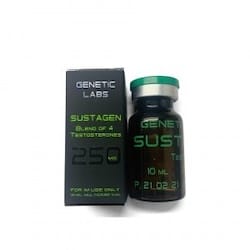
  • Buy Sustanon 250 Online: Best Prices and Fast Shipping

    sustanon

    Buy Sustanon 250 Online: Best Prices and Fast Shipping

    Navigating Sustanon 250 Dosage and Administration

    Managing Sustanon 250 requires a clear understanding of its unique blend of four different testosterone esters. Your dosage depends on your goals, whether you are treating clinical hypogonadism through replacement therapy or seeking performance enhancement. Successful administration involves frequent injections to keep hormone levels stable. You also need regular blood monitoring to track hematocrit and lipid profiles for long-term safety.

    Differentiating Medical Use from Enhancement

    Think of testosterone replacement therapy, or TRT, as a way to restore a baseline. Many men suffer from hypogonadism, a condition where the body doesn’t produce enough natural testosterone. In these cases, doctors use TRT to bring levels back to a healthy, physiological range. It is essentially like fixing a broken thermostat to maintain a steady temperature.

    Performance enhancement is a different beast entirely. This involves pushing levels far beyond what the human body could naturally achieve. While TRT aims for stability and wellness, enhancement seeks rapid muscle growth or strength gains. The biological cost of these higher peaks can be significant for your internal organs.

    When you cross the line from therapy to enhancement, you change the rules of the game. The body’s natural feedback loop, the hypothalamic-pituitary-testicular axis, often shuts down entirely. You aren’t just adding to a tank; you are overriding a complex biological computer. Understanding this distinction is your first step toward staying safe.

    The Four-Ester Symphony

    Sustanon 250 isn’t a single hormone; it is a cocktail. It contains four different testosterone esters: Propionate, Cypionate, Decanoate, and Undecanoate. Each ester is attached to the testosterone molecule, acting like a different length of a fuse that determines how quickly the hormone enters your bloodstream.

    Propionate is the “sprinter” of the group. It is a short-acting ester that hits your system almost immediately, providing a quick spike. This is why some people experience mood swings or acne shortly after an injection. It is a fast-burning fuel that requires quick management to avoid dramatic hormonal crashes.

    The other three esters, Cypionate, Decanoate, and Undecanoate, are the “marathon runners.” They are much longer and slower to release. Decanoate is the heavy lifter here, providing sustained levels over several days. This blend ensures that while one ester is wearing off, another is just beginning its long journey into your blood.

    Stabilizing Your Levels

    Because Sustanon is a blend of fast and slow esters, timing is everything. If you inject once a week, you might experience a massive spike followed by a “crash” where you feel exhausted or irritable. This roller coaster is exactly what you want to avoid if you want to feel level.

    Many experienced users prefer injecting more frequently, such as twice or even three times a week. This higher frequency helps smooth out those peaks and valleys. By keeping the concentration of testosterone in your blood steady, you reduce the side effects associated with rapid hormonal fluctuations and stabilize your mood.

    When looking for reliable sources, some people compare options like poseidonrx.com to ensure they are getting high-quality products. Consistency is your best friend here. Treat your injection schedule like a train timetable; if you miss a stop, the whole system can get out of sync, leading to unnecessary stress on your body.

    The Risks of Administration

    How you put the substance into your body matters just as much as how much you take. Improper technique can lead to abscesses, infections, or even nerve damage. You must treat every injection with the precision of a surgeon. Sterility is not a suggestion; it is a requirement for your safety.

    Always use fresh, sterile needles and rotate your injection sites. If you keep hitting the exact same spot in your glutes or deltoids, you risk developing scar tissue, often called “fibrosis.” This makes future injections painful and can actually interfere with how well the oil is absorbed into your system.

    If you ever notice redness, heat, or extreme swelling at the site, do not ignore it. These are red flags for an infection. Taking a moment to learn the proper “Z-track” method can help ensure the oil stays deep in the muscle and doesn’t leak into the subcutaneous fat layer.

    Metric to Monitor Why It Matters
    Hematocrit High levels can thicken your blood, increasing stroke risk.
    Lipid Profile Steroids can lower “good” HDL and raise “bad” LDL cholesterol.
    Estradiol (E2) Excessive estrogen can lead to water retention and gynecomastia.

    The Importance of Blood Work

    You cannot manage what you do not measure. Many people think they can “feel” if their hormones are correct, but your body is a master of deception. You might feel great while your internal markers are actually heading toward a dangerous territory. Regular blood work is your only real compass.

    Specifically, watch your hematocrit levels closely. Testosterone stimulates red blood cell production. If your blood becomes too thick, like honey instead of water, your heart has to work much harder to pump it. This is a serious cardiovascular risk that can only be detected through a professional medical blood test.

    Don’t forget your lipids, which are the fats in your blood. High cholesterol is the silent killer in the world of hormone use. Keeping a close eye on your HDL and LDL levels helps you navigate this journey without sacrificing your long-term cardiovascular health. Knowledge is your strongest shield against the hidden risks.

    Current Market Pricing and Procurement Costs

    Procurement costs for Sustanon 250mg/ml vary significantly based on acquisition method, typically ranging from $30 to $150 per 10ml vial. Prescription-grade injectable testosterone remains more expensive per unit than supplement-based boosters, but bulk purchasing for full cycles can lower the average cost per milligram significantly.

    The Price of Purity and Potency

    When you step into the market, you will quickly notice a massive chasm between different types of products. On one side, you have pharmaceutical-grade injections, which are the gold standard for precision. These are actual medications designed for medical use, often sold in 10ml vials to ensure accurate dosing for hormone replacement.

    On the other side, you might encounter brands like Hi-Tech Pharmaceuticals, which offers a product marketed as a “testosterone booster.” It is vital to understand that this is a supplement, not an injectable steroid. These oral or capsule-based formulas are often much cheaper but lack the immediate, high-potency impact of a true ester blend.

    If you are looking for the real deal, you are likely looking at injectable testosterone. The price of these vials fluctuates based on whether you are buying from a pharmacy or a specialized distributor. While the initial outlay for a single vial might seem steep, it is the only way to ensure you are getting the actual esters.

    What this means for you is a choice between convenience and efficacy. Supplements are easy to find and swallow, but they won’t provide the systemic hormonal shift that an injection does. If your goal is serious physiological change, the higher upfront cost of pharmaceutical-grade oil is a necessary investment.

    The following table provides a rough breakdown of how different quantities and product types generally impact your total investment.

    Product Type / Quantity Estimated Cost (USD) Value Profile
    Single 10ml Vial (Prescription) $50 – $150 High cost per unit
    Bulk Cycle (50ml+) $250 – $500 Best value per mg
    Hi-Tech Supplement Bottle $40 – $80 Low potency/Low cost
    Single 1ml Ampoule $5 – $15 High cost per ml

    Hidden Costs and the “Full Picture”

    Don’t let the sticker price fool you into thinking the cost ends at the checkout page. Real users know that the substance itself is only one part of the budget. You have to factor in the “ancillary” costs, which are the extra medications you need to keep your body in check.

    For instance, if you are running a cycle, you might need an aromatase inhibitor, such as Arimidex, to manage estrogen levels. You might also need a SERM (Selective Estrogen Receptor Modulator) like Nolvadex to prevent side effects. These small additions can add another $50 to $100 to your total cycle cost.

    Then there is the “exit strategy,” commonly known as Post Cycle Therapy (PCT). Once you stop using the substance, your natural production is essentially offline. You will need a specialized protocol of medications to jumpstart your endocrine system. Skipping this step is like driving a car without insurance; it’s cheap until things go wrong.

    The bottom line is that a “cheap” cycle can become incredibly expensive if you end up needing medical intervention for side effects. Always budget for the “safety net”—the needles, the alcohol swabs, the blood work, and the recovery medications. Being prepared is much cheaper than being in a hospital.

    Sourcing Sustanon 250 Online: Safety and Reliability

    To source Sustanon 250 safely, prioritize pharmaceutical-grade injectable testosterone from reputable vendors over oral prohormone supplements. Avoid unregulated marketplaces that lack third-party testing, as these often contain impure substances. Always verify shipping protocols and check for product seals to ensure you are receiving authentic, high-potency hormone replacement therapy rather than ineffective or dangerous counterfeits.

    Navigating the Product Landscape

    Think of the market like a high-end tool shop. You can buy a cheap, unbranded wrench that might snap in your hand, or you can invest in a professional-grade tool that works every single time. In this world, that distinction is the gap between a true medical injection and a “booster.”

    Pharmaceutical-grade Sustanon 250 consists of a blend of four different testosterone esters dissolved in oil. These esters, such as cypionate or decanoate, determine how slowly the hormone enters your bloodstream. This is a precise medical instrument designed to maintain steady levels in your system over several days or weeks.

    On the other hand, you will see products like the Hi-Tech Pharmaceuticals version. Don’t let the similar name fool you. This is a prohormone—a chemical precursor that your body converts into testosterone. It is often sold in capsule form, making it much less potent and significantly less predictable than the injectable oil.

    What this means for you is a choice of direction. If you are looking for a clinical solution for hormone replacement, you need the injectable. If you are looking for a milder, oral supplement to nudge your levels up, you are looking at a prohormone. Mixing these up is a recipe for frustration and wasted money.

    The Reality of Unregulated Vendors

    The internet is a wild west when it comes to hormone procurement. You might find a vendor offering vials for $20 that look too good to be true. I have seen many peers fall into this trap, only to realize they bought vegetable oil mixed with a tiny bit of actual hormone.

    Unregulated vendors often operate without any oversight. This means there is zero accountability if the batch is contaminated with heavy metals or bacteria. When you buy from a shady site, you aren’t just taking a risk with your wallet; you are taking a massive risk with your internal organ health.

    Reputable platforms, while more expensive, provide a layer of protection. They typically adhere to strict manufacturing standards. For instance, Pharmacy Planet operates as a legitimate entity that facilitates the acquisition of these medications through a structured process.

    The bottom line is that cheapness often carries a hidden tax. If a product is 50% under the market rate, it is almost certainly under-dosed or impure. I’ve always told my peers: you cannot put a price on the purity of what you inject directly into your veins.

    Legal Nuances and Shipping Red Flags

    We need to talk about the elephant in the room: legality. In many jurisdictions, testosterone is a controlled substance. Purchasing it without a valid prescription from a licensed physician can land you in a legal gray area. Laws change depending on where you live, so you must stay informed about your local regulations.

    When browsing online, you will notice different approaches to legality. Some sites require a formal consultation to ensure medical necessity, which is the safest path. Other sites claim “no prescription required,” which is a massive red flag for quality control. If they don’t care about your medical history, they likely don’t care about the product’s purity either.

    Watch out for how your package arrives. If a vendor says they use “stealth shipping” or “discreet packaging” in a way that sounds like they are hiding something illegal, proceed with extreme caution. While privacy is important, a legitimate pharmacy will still use professional, standard medical packaging that ensures the temperature of the oil remains stable during transit.

    If you receive a package that looks like a random gift or has no way to verify the contents, the vendor is likely cutting corners. High-quality testosterone should arrive in a secure, professional manner. If the seal is broken or the liquid is cloudy, do not use it—toss it immediately.

    The Gold Standard: Testing and Purity

    If you want to truly sleep well at night, you need to look for verified product testing. Real pharmaceutical companies provide “Certificates of Analysis” (COAs) which prove the concentration of the esters. This is the only way to know that your 10ml vial actually contains 250mg per milliliter.

    When you are sourcing, look for these specific indicators of quality:

    • Clear Liquid: The oil should be crystal clear with no floating particles or sediment.
    • Vacuum Seals: The rubber stopper on the vial should be intact and show no signs of tampering.
    • Batch Numbers: Every vial must have a traceable batch number that matches the manufacturer’s documentation.
    • Expiration Dates: Never buy anything that is nearing its “use by” date, as the esters can degrade.

    What this means for you is that your due diligence is your best defense. Don’t just take a website’s word for it. Look for community feedback, check for independent lab results, and never be afraid to ask a vendor for more technical data about their manufacturing process. Being a skeptic is actually a vital part of staying safe in this market.

    Comparing Sustanon to Other Testosterone Esters

    Sustanon differs from single-ester options like Cypionate or Enanthate by utilizing a blend of four different testosterone esters. This multi-ester composition creates a unique release profile, offering a rapid “kick-in” from short-acting esters while maintaining long-term stability through longer-acting ones. This approach allows for more stable hormone levels and potentially less frequent injections compared to some single-ester alternatives.

    The Mechanics of Ester Release

    Think of testosterone esters as a delivery vehicle. The “ester” is a chemical chain attached to the hormone that dictates how fast your body can strip it away and use the testosterone. When you inject a single ester like Testosterone Enanthate, you are essentially using one specific speed for that delivery. It is predictable, but it can sometimes lead to “peaks and valleys” in your bloodwork.

    Sustanon, however, is more like a relay race. It contains a cocktail of esters, including Propionate (the sprinter), Phenylethanolone (the middle distance), Isocaproate, Decanoate (the marathon runner), and Undecanoate. This variety means that as soon as the fast-acting Propionate hits your bloodstream, the slower-acting esters begin their steady, long-term release. This staggered approach is what gives the blend its signature reputation.

    What this means for you is a more complex metabolic dance. While single esters like Cypionate—often used in medical hormone replacement—provide a very smooth, steady plateau, Sustanon offers a more dynamic hormonal environment. This can be a double-edged sword. You get a quick boost, but you also deal with more immediate fluctuations in your systemic hormone levels.

    If you are comparing the metabolic impact, consider the “spike” factor. High spikes in testosterone can sometimes lead to more side effects like acne or hair thinning in sensitive individuals. Because Sustanon hits the system with multiple speeds at once, the initial surge is much more pronounced than the gentle rise seen with a pure Cypionate or Enanthate regimen.

    Stability and Injection Frequency

    One of the biggest headaches in hormone management is the “crash.” If you use a single short-acting ester, you might find yourself feeling irritable or lethargic before your next shot. To avoid this, many people have to inject more frequently to keep their levels stable. It becomes a part-time job just trying to stay level-headed and physically consistent.

    The multi-ester blend in Sustanon acts as a built-in buffer. Because the longer-lasting esters stay in your system for a significant amount of time, they catch the fall when the shorter esters wear off. This design is intended to extend the time between injections. You aren’t just chasing the high; you are riding the wave of the long-term esters.

    However, don’t let the “low frequency” marketing fool you into complacency. While the blend helps smooth out the curve, the initial spike can still be quite aggressive. I’ve seen many peers struggle with mood swings because they didn’t account for the rapid rise in hormones during those first few days after an injection. It is a balancing act, not a “set it and forget it” solution.

    The bottom line is that your choice depends on your tolerance for fluctuation. Some people prefer the “set and forget” nature of a long-acting single ester, even if it means a slightly lower peak. Others prefer the complex, multi-layered profile of a blend to ensure they never dip too low, even if it means dealing with a bit more volatility.

    Matching the Blend to Your Goals

    Not all testosterone is created equal, and neither is the way you use it. If your goal is strictly medical, such as treating hypogonadism (low testosterone), a single-ester approach is often the gold standard. Doctors generally prefer the predictable, steady-state levels provided by Enanthate or Cypionate to ensure the patient’s endocrine system remains stable without unnecessary spikes.

    On the other hand, those focusing on muscle hypertrophy—the process of increasing muscle size through training—often gravitate toward blends. The rapid spike in testosterone levels can be beneficial for an intense training stimulus. However, this is much more advanced territory and comes with a higher risk of side effects if not managed with precision.

    Let’s look at how these compare in a practical sense:

    Feature Single Ester (e.g., Enanthate) Sustanon (Multi-Ester)
    Release Speed Moderate & Steady Rapid & Layered
    Hormonal Spikes Low to Moderate High (Initial)
    Best Use Case Medical HRT / Stability Performance / Growth
    Injection Frequency Standard (1-2x weekly) Potentially lower

    If you are just starting your journey, I always suggest prioritizing stability. Jumping straight into a complex blend can make it very difficult to figure out how your body actually reacts to testosterone. You won’t know if a side effect is caused by the hormone itself or the rapid spike from a specific ester in the blend. Start simple, find your baseline, and then decide if you need the complexity of a multi-ester approach.

    Managing Side Effects and Post-Cycle Protocols

    Managing Sustanon requires balancing estrogen levels, monitoring blood viscosity, and implementing Post-Cycle Therapy (PCT) to restart natural hormone production. Users must watch for androgenic side effects like acne or hair loss and use selective estrogen receptor modulators (SERMs) to prevent hormonal crashes after the cycle ends, ensuring the body’s endocrine system recovers successfully.

    Balancing Estrogen and Blood Health

    When you introduce exogenous testosterone, your body undergoes aromatization, a process where an enzyme converts excess testosterone into estrogen. If estrogen climbs too high, you might notice water retention, nipple sensitivity, or mood swings. To keep this in check, many veterans utilize an Aromatase Inhibitor (AI), which is a medication designed to block that specific conversion process.

    It is a delicate dance, not a blunt force trauma. If you crush your estrogen too low, you’ll feel like a ghost—depressed, achillean, and completely drained. You want to find that “sweet spot” where you feel energetic but don’t look bloated. Frequent blood work is the only way to truly know what is happening under the hood.

    Another silent predator is the rise in hematocrit. This refers to the ratio of red blood cells to total blood volume. High levels make your blood thick, almost like syrup, which puts immense strain on your heart. If you notice a persistent headache or a flushed face, your blood might be getting too viscous.

    The bottom line is hydration and monitoring. Drinking plenty of water helps, but if your levels climb significantly, some people utilize therapeutic blood donation to reduce red cell mass. Always consult a professional if you feel your blood is thickening, as this can lead to serious cardiovascular complications over time.

    Recognizing Androgenic Indicators

    Not all side effects are internal; some show up clearly in the mirror. Androgenic side effects are driven by the “male” qualities of the hormone. For some, this manifests as severe acne, particularly on the shoulders and back, caused by increased sebum production from the sebaceous glands.

    Then there is the dreaded hair miniaturization. This is the process where hair follicles shrink due to high dihydrotestosterone (DHT) levels, often leading to male pattern baldness in those genetically predisposed. It is a frustrating reality that many face when pushing their levels beyond natural physiological limits.

    I have seen many peers struggle with these issues because they ignored the early warning signs. If you notice your skin getting oily or your hairline receding, your body is screaming for a change in protocol. It is better to address these issues early than to deal with permanent changes later.

    To keep things organized, keep an eye on these common indicators:

    • Skin Changes: Increased oiliness, persistent acne, or skin sensitivity.
    • Hair Health: Thinning at the crown or receding temples (miniaturization).
    • Mood Shifts: Sudden irritability or unexpected bouts of aggression.
    • Physical Changes: Rapid weight gain (water) or nipple tissue sensitivity.

    The Roadmap for Post-Cycle Recovery

    Once you decide to stop using Sustanon, your body’s internal factory—your HPTA, or Hypothalamic-Pituitary-Testicular Axis—is essentially on sleep mode. This axis is the communication loop between your brain and your testes. If you just stop abruptly, you risk a “crash” where your levels plummet to near-zero.

    This is where Post-Cycle Therapy (PCT) becomes your best friend. The goal of PCT is to signal your brain to start producing testosterone again. This usually involves a protocol of SERMs, such as Clomiphene or Tamoxifen, which trick the pituitary gland into stimulating the testes to resume natural production.

    Timing is everything in this phase. You cannot wait until you feel “low” to start; you must have your PCT ready to go the moment your last injection is administered. Think of it as a soft landing after a high-altitude flight. Without it, you might find yourself struggling with low libido and muscle loss.

    The transition looks something like this in a typical roadmap:

    Phase Primary Goal Typical Method
    PCT Initiation Kickstart HPTA activity SERM protocols (e.g., Clomid)
    Hormonal Stabilization Restore natural baseline Blood work & monitoring
    Maintenance Prevent relapse Lifestyle & nutrition adjustments

    What this means for you is a commitment to patience. You won’t wake up with perfect hormones overnight. It takes weeks of careful management to ensure your body has transitioned back to its natural state without a massive dip in well-being or muscle retention. Always prioritize long-term health over immediate results.

    If you are looking for professional guidance, medical experts often suggest that individual biochemistry varies wildly. What works for one person might be a disaster for another. Always listen to your body and use clinical data to guide your decisions rather than guesswork.

  • Buy Stanozolol Online: Best Prices and Fast Shipping

    stanozolol

    Buy Stanozolol Online: Best Prices and Fast Shipping

    Winstrol and Stanozolol Applications

    Stanozolol is a synthetic anabolic-androgenic steroid used to treat hereditary angioedema, boost red blood cell production, and increase muscle strength. While “Winstrol” is the common brand name, the generic term refers to the actual medicinal compound. It also helps promote appetite and weight gain in certain clinical settings.

    Think of it like the difference between a brand-name soda and the generic syrup inside the bottle. Winstrol is the trademarked label you might see on a prescription, whereas stanozolol is the chemical molecule doing the heavy lifting. Most people use these terms interchangeably, but knowing the distinction matters for clarity.

    When doctors discuss this compound, they focus on its primary medical purpose: managing hereditary angioedema. This is a rare genetic disorder characterized by severe swelling beneath the skin. By stabilizing certain biological processes, the drug helps mitigate these potentially life-threatening episodes of edema.

    If you are looking for information on how these medications are distributed, you might encounter various vendors. For example, some users compare options like poseidonrx.com when researching different suppliers. Always ensure you are working with a professional who requires a valid prescription to maintain safety.

    Clinical and Physical Effects

    In a clinical setting, stanozolol acts as a powerful tool for increasing red blood cell counts. This process, known as erythropoiesis, enhances the blood’s ability to carry oxygen to your tissues. When your cells are well-oxygenated, your endurance and recovery times tend to see a significant boost.

    This oxygenation effect is a double-edged sword. While it helps athletes, it is a primary reason why the drug is used to treat certain anemias. When your blood carries more oxygen, your body operates like a high-performance engine that never seems to run out of fuel.

    Beyond the blood, the drug plays a role in metabolic regulation. It can be used to promote weight gain and increase appetite in patients struggling with chronic wasting. This is particularly helpful for those who find it difficult to consume enough calories to maintain health.

    On the flip side, many people use it for the exact opposite reason. They want to lean out without losing strength. This brings us to how it impacts the physical structure of your muscles and the way you handle heavy loads.

    The mechanism for improving muscle strength is quite fascinating. It works by enhancing nitrogen retention in the muscle tissue. Since nitrogen is a key component of protein synthesis, this allows your body to build and repair muscle fibers more efficiently during training.

    You might notice that the strength gains feel “harder” or more dense. This is because the drug often limits water retention, which is a common side effect of other steroids. You can find more information on various medical preparations through accredited pharmacy databases.

    What this means for you is that the drug’s application depends heavily on the goal. Whether you are fighting a genetic swelling disorder or trying to break through a plateau in the gym, the way it interacts with your biology changes significantly.

    Application Type Primary Goal Mechanism
    Medical/Clinical Treating Angioedema Reducing swelling episodes
    Hematological Increase Red Blood Cells Enhancing oxygen transport
    Nutritional Weight Gain Stimulating appetite
    Performance Muscle Strength Nitrogen retention

    The bottom line is that stanozolol is a versatile tool. Whether you are looking at it from a clinical perspective or a performance angle, the biological impact is undeniable. Just remember that every tool requires a skilled hand to avoid unintended consequences.

    Standard Dosage and Administration Protocols

    Stanozolol administration typically involves 2 mg oral tablets or customized compounded capsules to achieve specific therapeutic goals. Dosage levels vary significantly depending on whether a physician is treating hereditary angioedema, increasing red blood cell counts, or managing weight. This requires strict adherence to a licensed prescriber’s specific medical instructions and prescription.

    When you step into the world of pharmacology, you quickly realize that “one size fits all” is a dangerous myth. Stanozolol, a synthetic anabolic-androgenic steroid, is not a blunt instrument. It is a precision tool that requires a very specific blueprint to function correctly within your unique biological system.

    Most standard prescriptions arrive in the form of 2 mg tablets. These are small, convenient, and designed for consistent daily intake. They are the “off-the-shelf” option for many, providing a standardized dose that makes it easy for patients to track their regimen and maintain steady levels in their bloodstream.

    However, the body isn’t always a standard machine. Sometimes, a patient’s needs fall outside the lines of a pre-packaged tablet. This is where things get interesting for those requiring a more surgical approach to their medication schedule or specific dosage increments.

    Customized Delivery and Formulations

    Compounded stanozolol capsules offer a level of flexibility that mass-produced tablets simply cannot match. Compounding is the process where a pharmacist creates a custom medication specifically for an individual. If a 2 mg dose is too high or too low, a compounder can adjust the potency precisely.

    Think of a standard tablet like a ready-to-wear suit from a department store. It might fit well enough, but it won’t be perfect. A compounded capsule is more like a bespoke, tailor-made garment. It is crafted to your exact measurements, ensuring the delivery matches your physiological requirements perfectly.

    The difference between oral tablets and these specialized capsules often comes down to the delivery mechanism. While both are taken orally, compounded versions can sometimes include specific fillers or oils. These additives can help control how quickly the drug enters your system, which can be vital for managing side effects.

    What this means for you is that the “how” is just as important as the “how much.” A tablet is designed for a general population, whereas a compounded capsule is designed for *you*. This distinction can be the difference between a smooth recovery and a rollercoaster of hormonal fluctuations.

    Before you even consider any form of this medication, you must secure a valid prescription from a licensed prescriber. This isn’t just a legal hurdle; it is your primary safety net. A doctor evaluates your health history to ensure the benefits of the drug outweigh the potential risks.

    Attempting to bypass this step is like driving a high-performance sports car without a license or a mechanic. You might get moving, but the chances of a catastrophic crash are incredibly high. A professional oversees your progress, monitoring blood markers to keep you on a safe path.

    The dosage isn’t a static number either; it shifts based on the medical objective. If a doctor is targeting erythropoiesis—the production of red blood cells—the protocol will look very different than if they are treating a wasting syndrome to promote weight gain.

    The bottom line is that the goal dictates the dose. A person fighting chronic anemia has a vastly different biological requirement than someone managing the swelling of angioedema. Always follow the specific roadmap laid out by your healthcare provider to avoid running into trouble.

    To give you an idea of how different options might appear in a clinical marketplace, consider these approximate cost structures for various administration methods.

    Administration Type Typical Quantity Estimated Cost
    Standard 2 mg Tablets 30 Count $30
    Compounded Capsules 60 Count $120
    Customized Liquid/Capsule 30 Count $150
    Bulk Clinical Supply 100 Count $250

    Current Market Pricing and Procurement

    Procuring stanozolol involves navigating a spectrum of costs, ranging from $0.90 per tablet for generic versions to significantly higher prices for custom compounded formulations. While retail tablets offer the lowest entry point, the total cost is heavily influenced by pharmacy certification, prescription requirements, and whether you purchase single units or bulk supplies.

    When you look at the market, the $0.90 per tablet price point for generic stanozolol is a common benchmark. This refers to the mass-produced, standardized version of the medication. It is the most budget-friendly route for those who do not require specialized dosing or unique delivery methods for their medical needs.

    However, don’t let the low price tag fool you into thinking it is the only factor. Cheapness often comes at a cost of convenience or precision. If your body requires a very specific milligram increment that doesn’t exist in a standard factory pill, that $0.90 tablet won’t serve you well.

    What this means for you is that the “cheapest” option might actually be the most expensive if it doesn’t meet your clinical goals. Always weigh the per-unit cost against the necessity of the specific dose your doctor has prescribed for your unique biological profile.

    The Premium of Customization

    Compounded pharmacy products represent a different tier of procurement entirely. Compounding involves a pharmacist mixing specific ingredients to create a bespoke medication. Because this is a labor-intensive, manual process, the price per milligram is significantly higher than that of standard, factory-made retail tablets.

    Think of it like the difference between a mass-produced soda and a handcrafted artisanal beverage. Both serve the same basic purpose, but the latter requires specialized attention and unique ingredients. You are paying for the ability to have a dose tailored specifically to your body’s metabolic rate.

    Retail tablets are “off-the-shelf” solutions, meaning they are made in massive batches. While they are efficient and incredibly inexpensive, they lack the flexibility of a custom blend. If you find yourself needing to taper your dose gradually, a compounded version becomes an invaluable tool for your regimen.

    The bottom line is that you are paying for precision. For some, the ability to control the exact amount of active ingredient entering their bloodstream is worth every extra dollar spent on a custom formulation.

    Quality Assurance and Certification

    When navigating the landscape of international procurement, you will often encounter the term WHOcGMP. This stands for World Health Organization Current Good Manufacturing Practice. It is a set of rigorous standards designed to ensure that products are consistently produced and controlled according to quality benchmarks.

    Buying from a certified pharmacy provides a level of peace of mind that discount, unverified sources simply cannot offer. When a facility follows these strict protocols, you are significantly reducing the risk of receiving contaminated or sub-potent medication.

    It is tempting to chase the lowest price on the internet, but the “wild west” of online pharmacies can be a minefield. A WHOcGMP certified source acts as a safeguard, ensuring that what is listed on the label is actually what is inside the capsule or tablet.

    The value proposition here is safety. A slightly higher price point from a reputable, certified source is essentially an insurance policy against the biological havoc caused by counterfeit or poorly manufactured substances.

    The Impact of Prescription and Volume

    The requirement for a valid prescription acts as a hidden variable in your final bill. Because a doctor must evaluate your health and issue a legal order, there are professional fees and administrative costs involved in the procurement process. This is a non-negotiable part of safe, legal medical care.

    Once you have your prescription, the math changes based on how much you order at once. Single-bottle orders are convenient for short-term trials but usually carry the highest price per unit. You are paying for the convenience of small-batch shipping and individual packaging.

    If you move toward bulk orders, you will notice the price per unit begins to drop significantly. Buying in larger quantities allows pharmacies to reduce their shipping and handling overhead, a saving they often pass on to the consumer. It is the classic “bulk discount” applied to medicine.

    Consider these financial differences when planning your long-term treatment:

    • Single-Bottle Orders: Highest cost per unit; ideal for short-term adjustments or testing tolerance.
    • Standard Monthly Supply: The middle ground; balances convenience with moderate cost-efficiency.
    • Bulk Clinical Supplies: Lowest cost per unit; best for long-term maintenance under strict medical supervision.

    Shipping Logistics and Global Delivery Options

    Worldwide express delivery for stanozolol involves a streamlined process where certified pharmacies fulfill prescriptions through secure, international courier networks. Most orders arrive within 7 to 14 business days, utilizing discreet, professional packaging to ensure privacy. By using a recognized pharmacy network, patients receive their medication through a tracked, reliable, and highly secure logistics chain.

    Think of the shipping process as a high-stakes relay race where every handoff must be seamless. Once your doctor clears the prescription, the pharmacy begins the fulfillment phase. This is where the heavy lifting happens behind the scenes, moving your medication from a controlled lab to your doorstep.

    Specialty pharmacies like CareFirst play a vital role here by acting as the bridge between clinical manufacturing and your home. These entities, which are specialized medical retailers focusing on customized or hard-to-find medications, handle the complex paperwork and regulatory requirements that often stall lesser shipments. They ensure everything stays on the right side of the law.

    What this means for you is a significant reduction in “package anxiety.” Instead of wondering if your order will vanish into a bureaucratic void, you are working with professionals who understand the nuances of international transit. They manage the logistics so you can focus on your health regimen.

    The Role of Specialty Fulfillment

    Not all pharmacies are created equal when it comes to getting a package across a border. You want a partner that specializes in complex logistics. A specialty pharmacy is a highly trained facility that handles medications requiring specific storage conditions or unique regulatory documentation to move through customs successfully.

    CareFirst, for example, serves as a primary example of a high-tier fulfillment partner. They don’t just pull a bottle off a shelf; they manage the entire lifecycle of your order. This includes verifying your prescription, ensuring the product is compounded correctly, and selecting the best route to avoid unnecessary delays.

    I’ve seen many people try to cut corners by using unverified sources, only to find their packages stuck in customs for weeks. It is a headache you do not need. Using a reliable pharmacy ensures that the paperwork matches the contents, which is the golden rule of international shipping.

    The bottom line is that specialty fulfillment is about removing friction. They handle the customs declarations and the specialized handling that standard postal services often struggle with. It is an investment in certainty that pays off the moment that package arrives on your porch.

    Security and Discretion in Transit

    Privacy is a non-negotiable priority when dealing with sensitive medical supplies. You shouldn’t have to worry about a stranger knowing exactly what is inside your delivery. Professional logistics providers use “stealth” or “discreet” packaging, which means the outer box looks like a standard, unremarkable parcel from a generic wellness company.

    This professional approach extends to how the items are nested inside the box. Most reputable providers use protective padding and opaque containers to ensure the contents remain stable and invisible. It is a standard industry practice designed to protect your medical privacy and prevent tampering during the long journey.

    Security also refers to the integrity of the supply chain itself. When you ship through a certified pharmacy network, you are using carriers that offer real-time tracking. This allows you to monitor every milestone of the journey, from the moment it leaves the warehouse to the second it hits your mailbox.

    A secure shipment is a predictable shipment. When you see that your package has cleared customs and is out for delivery, the stress melts away. You aren’t just buying a product; you are buying a guaranteed, private delivery service that respects your boundaries.

    Timeline and Delivery Expectations

    Timing can be tricky when you are dealing with international borders, but it is rarely a total mystery. Most express delivery services aim for a window of 7 to 14 days. While you might get lucky and see it in a week, it is wise to plan for a slightly longer period to account for customs inspections.

    The timeline is generally broken down into three distinct phases:

    • Processing Phase: 1-3 days for the pharmacy to verify your prescription and pack the order.
    • Transit Phase: 5-10 days for the package to move through international air freight and local hubs.
    • Final Mile: 1-3 days for the local courier to deliver the package to your specific address.

    It is important to remember that “business days” do not include weekends or public holidays. If you are ordering from a different time zone, there might be a slight lag in communication. I always suggest ordering a week before you think you will run out of your current supply.

    To give you a better idea of the costs associated with different shipping speeds, look at this breakdown:

    Shipping Method Estimated Time Typical Cost
    Standard Express 10-14 Days $25 – $40
    Priority Air 5-8 Days $50 – $75

    Sourcing Through Compounding Pharmacies

    Compounding pharmacies offer a customized solution for stanozolol by tailoring dosages and delivery methods to your specific physiological needs. Unlike mass-produced tablets, these facilities create bespoke medications, such as specific capsule strengths or liquid suspensions, ensuring the final product aligns perfectly with your doctor’s precise clinical requirements.

    Think of it as getting a tailored suit versus buying something off the rack. Mass-produced pills are made in giant batches to fit the “average” person, but your body might not be average. A compounding pharmacy—a facility that mixes individual medications—can adjust the concentration to avoid side effects.

    This flexibility is a game-changer if you struggle with swallowing large pills or if you need a very specific milligram dosage that the big manufacturers simply do not offer. It turns a “one-size-fits-all” approach into a precision tool designed for your unique hormonal profile.

    What this means for you is a much higher degree of control over your regimen. Instead of settling for a standard 30mg tablet, you might request a specific 5mg dose to taper off more safely. This level of nuance is exactly why many clinicians prefer these specialized preparations.

    Top Providers and Their Strengths

    When you step into this arena, you will likely run into names like Empower Pharmacy or Wedgewood. These are major players in the compounding space, but they serve slightly different roles in the market. It is helpful to understand their reputations before you commit your hard-earned money.

    Empower Pharmacy is often the go-to for those seeking a wide variety of hormone replacement therapies. They have a massive catalog and a very streamlined process for handling specific requests. They are the “heavy lifters” in the industry, known for their vast selection of specialized hormone preparations.

    Wedgewood, on the other hand, is highly respected for their clinical rigor and focus on high-quality ingredients. They are often cited for their meticulous attention to detail in the compounding process. If your doctor is particularly picky about the purity of the base ingredients, Wedgewood is a strong contender.

    I have seen people jump between the two depending on what they need at the moment. Some prefer the sheer availability at Empower, while others swear by the consistency of Wedgewood. Both are legitimate, professional entities that operate far above the level of a random online vendor.

    The Necessity of Professional Oversight

    You cannot simply walk in and ask for these medications; a prescriber’s authorization is absolutely mandatory. Because stanozolol is a potent synthetic anabolic-androgenic steroid, it carries significant physiological implications. A licensed medical professional must evaluate your health to ensure the medication is safe for you.

    This isn’t just red tape designed to slow you down; it is your primary safety net. The prescriber acts as the gatekeeper, ensuring that the stanozolol you are receiving won’t cause undue harm to your liver or cardiovascular system. Without this legal “green light,” a pharmacy cannot legally dispense the product.

    The verification process is quite thorough. Once you submit your request, the pharmacy doesn’t just take your word for it. They contact your doctor to confirm the prescription is authentic and that the specific dosage requested is clinically appropriate for your current treatment plan.

    The bottom line is that this process protects everyone involved. It ensures the pharmacy is dispensing a controlled, medical-grade substance rather than an unregulated supplement. If a site offers these without a prescription, walk away immediately; that is a massive red flag for your safety.

    Quality Control and Purity Standards

    There is a massive gulf between mass-produced pills and compounded medications when it comes to quality control. Mass-produced tablets are often made in massive industrial facilities where the focus is on volume and cost-cutting. This can sometimes lead to “hot spots” where the active ingredient isn’t distributed evenly.

    Compounding pharmacies operate under much stricter, more localized scrutiny. Because they are making small batches for individual patients, they can monitor the consistency of every single capsule. This precision minimizes the risk of getting a dose that is too weak or, more dangerously, too strong.

    To keep things transparent, I suggest looking for these indicators of quality:

    • USP Standards: Ensuring ingredients meet United States Pharmacopeia purity levels.
    • Third-Party Testing: Verifying that the chemical composition matches the label.
    • Cleanroom Environment: Ensuring the facility meets strict sanitary and regulatory requirements.

    When you compare the two, you are essentially choosing between a generic factory product and a hand-crafted medical tool. While the mass-produced option might be cheaper, the peace of mind that comes with a verified, custom-made dose is often worth the extra premium.

    Comparative Analysis of Stanozolol Preparations

    Choosing between preparations involves balancing bioavailability, cost, and precision. Capsules often offer superior absorption and consistent dosing compared to traditional tablets, which can vary in density. While generic Winstrol provides an affordable route for muscle hardening, premium compounded versions ensure higher purity and exact milligram accuracy for those with specific medical needs.

    Capsules Versus Tablets

    When you look at how your body processes these substances, the delivery method matters immensely. Tablets are often pressed under high pressure, which can sometimes lead to uneven distribution of the active ingredient. This means one pill might be stronger than the next, a gamble most people want to avoid.

    Capsules, on the other hand, tend to be more forgiving. Because the powder is encapsulated, it is often easier for the digestive system to break down. This leads to more predictable absorption rates. If you are trying to hit a specific physiological target, the consistency of a capsule is your best friend.

    I have seen many people struggle with the “pill fatigue” of swallowing large, chalky tablets. Capsules are generally smoother and easier to manage. When you are tracking your intake down to the milligram, you want a delivery system that doesn’t leave things to chance or digestive guesswork.

    The bottom line is that while tablets are the most common sight in the mass market, capsules offer a level of precision that tablets often lack. If your goal is steady, predictable results, the capsule format is usually the winner in the laboratory. It reduces the margin of error significantly.

    The Winstrol Spectrum

    You will often hear the name Winstrol used interchangeably with stanozolol. This is because Winstrol is the original brand name for this synthetic anabolic-androgenic steroid—a substance that mimics natural hormones to promote muscle growth and strength. Most people looking for “generic Winstrol” are seeking the same chemical effect.

    Generic options are a double-edged sword. On the bright side, they are incredibly budget-friendly. If you are on a tight budget, finding a source that offers a low price per unit can make a massive difference in your long-term consistency. It lowers the barrier to entry for many.

    However, the “con” is the lack of oversight. Generic, non-prescription versions found on the open market are a wild west. You might pay $0.90 per tablet, but you have no way of knowing if the contents actually match the label. You are essentially flying blind without a verified lab report to back it up.

    What this means for you is a choice between cost and certainty. If you go the generic route, you are prioritizing your wallet. If you go the premium route, you are prioritizing your internal health and the certainty that what you ordered is exactly what you get.

    Manufacturing and Concentration

    Reliability in this industry boils down to one major standard: WHOcGMP certification. This stands for World Health Organization Good Manufacturing Practice. When a facility is WHOcGMP certified, it means they follow a rigorous set of international standards to ensure products are consistently produced and controlled according to quality. It is the gold standard of safety.

    Without this certification, you are essentially playing Russian roulette with your chemistry. A certified facility uses controlled environments and strict testing to prevent contamination. It is the difference between a professional kitchen and a backyard cookout when it comes to the safety of the ingredients you consume.

    Concentration also plays a huge role in your daily experience. Some preparations come in high-strength doses, while others are more diluted. If the concentration is too high, you might experience more intense side effects. If it is too low, you might feel like you are wasting your time and money entirely.

    I recommend finding a balance that allows for fine-tuned adjustments. This is why many experienced users prefer compounded versions where they can request specific, custom milligram strengths. It allows you to scale your intake precisely as your body adapts to the substance over time.

    The Price of Precision

    The price gap between generic options and premium compounded versions can be startling. You might find mass-produced generic tablets for as little as $1 per unit. This is incredibly tempting when you are looking at a long-term cycle. It feels like a bargain that is too good to pass up.

    However, premium compounded versions often come with a much higher price tag, sometimes reaching several hundred dollars for a full course. You are paying for the expertise of a pharmacist, the purity of the raw ingredients, and the peace of mind that comes with third-party testing. It is an investment in your health.

    Think of it like buying a used car. The cheap one looks great on paper, but the maintenance costs—or in this case, the health costs—could be devastating. The premium option is like a certified pre-owned vehicle; you know exactly what you are getting, and it’s much less likely to break down on you.

    Ultimately, you have to decide what you value more: the immediate savings or the long-term certainty. For most people serious about their health, the extra cost of a professional, compounded preparation is a small price to pay for the ability to trust your results.

  • Buy Somatropin Injections Online at Best Pharmacy Prices

    somatropin

    Buy Somatropin Injections Online at Best Pharmacy Prices

    Navigating the Market for Somatropin Injections

    Shopping for somatropin requires you to distinguish between regulated brands like Genotropin or Norditropin and unregulated sources. To keep yourself safe, you must obtain a valid prescription from a licensed medical professional. Buying through legitimate pharmacies ensures you receive pharmacy-grade purity, whereas unregulated substances carry significant risks of contamination or incorrect dosing.

    Think of the market as a crowded crossroads. On one side, you have the “gold standard” brands that survived rigorous clinical trials. These are legitimate pharmaceutical products designed for medical necessity. On the other side, you find a murky landscape of unregulated vials that might be nothing more than salt and prayer.

    I often see people get caught up in the hunt for the lowest price, but in this arena, cheap can become incredibly expensive for your health. If you are looking for reliable suppliers, you might come across various vendors, including poseidonrx.com, but the most important factor is the source’s legitimacy.

    When you’re shopping around, you need to know exactly what you are putting into your body. It isn’t just about the price tag; it is about the molecular integrity of the hormone itself. Using the wrong substance can wreak havoc on your endocrine system, which is essentially your body’s internal communication network.

    Prescription Brands vs. Unregulated Alternatives

    When doctors prescribe somatropin, they typically reach for established brands like Genotropin or Norditropin. Genotropin is a brand-name somatropin produced by Novo Nordisk, specifically designed to treat growth hormone deficiencies. Similarly, Norditropin is a highly standardized, injectable form of human growth hormone used in clinical settings to ensure consistent hormone levels in patients.

    These brands undergo strict manufacturing protocols to ensure every milligram is accounted for. This is a far cry from the “gray market” products often found on social media or shady websites. Those unregulated vials often lack the precise concentration required for safe administration, making every dose a dangerous guessing game.

    The difference is night and day. A prescription brand offers predictability, which is the bedrock of any medical treatment. You know exactly what is in the vial because the manufacturer has been held accountable by global health authorities to provide consistent, medical-grade results every single time.

    If you are comparing options, look at the stability of the formula. Some brands are lyophilized (freeze-dried) powders that require reconstitution, while others come in pre-filled pens. The convenience of a pre-filled pen is great, but only if you trust the manufacturer behind it.

    The Legal and Safety Necessity of Medical Oversight

    You cannot simply walk into a pharmacy and pick up somatropin like you would a box of bandages. Legally, you must have a doctor’s prescription. This isn’t just a bureaucratic hurdle meant to slow you down; it is a vital safety mechanism designed to protect your long-term health.

    A physician evaluates your bloodwork to ensure your body actually needs the hormone. Taking exogenous growth hormone when your levels are already sufficient can lead to serious side effects, such as insulin resistance or joint pain. A doctor acts as your navigator, ensuring you don’t sail into dangerous waters.

    Attempting to bypass this process by buying HGH online without a prescription is a massive gamble. Many sites claim to offer easy shipping, but you are often buying from entities that operate entirely outside the law. This lack of oversight means there is zero recourse if the product is tainted.

    The bottom line is that medical supervision is your primary defense. A doctor monitors your dosage and checks your vitals to ensure the treatment is working as intended. Without that professional eye, you are essentially flying blind in a storm without a compass or a map.

    Verifying Purity and Avoiding Counterfeit Risks

    If you find yourself in a position where you are sourcing through specialized channels, you must become a detective. You cannot take a vendor’s word for it; you need to demand proof of purity. High-quality substances should be accompanied by documented evidence of their chemical makeup and manufacturing standards.

    One of the most reliable ways to check quality is through an ELISA test, which is a specialized assay used to measure the concentration and presence of human growth hormone. This scientific method helps confirm that what is in the vial is actually the hormone you paid for.

    When evaluating a supplier, look for these specific indicators of quality:

    • Certificate of Analysis (CoA): This document should list the exact purity levels and the date of testing.
    • Batch Numbers: Every vial should have a unique identifier that matches the provided documentation.
    • Sterility Testing: Ensure the product has been tested for bacterial endotoxins and other contaminants.
    • Seal Integrity: The packaging must be tamper-evident and show no signs of previous opening.

    Don’t let a slick website fool you into thinking a product is legitimate. Real pharmacy-grade products prioritize transparency over flashy marketing. If a seller refuses to provide detailed documentation or becomes defensive when you ask for purity reports, walk away immediately. Your health is worth more than a “too good to be true” deal.

    Cost Analysis and Pricing Models

    Monthly costs for somatropin maintenance therapy typically range from $500 to $2,500 depending on your insurance coverage and the specific brand used. While pharmaceutical-grade injections ensure safety and dosing accuracy, generic alternatives or international sourcing can significantly lower these expenses, though they often come with increased regulatory and purity risks.

    Navigating the financial side of hormone replacement therapy can feel like walking through a minefield. You aren’t just paying for a vial; you are paying for the peace of mind that comes with clinical verification. When you look at the numbers, the price gap between a highly regulated US pharmacy and an international supplier is often staggering.

    The reality is that “cheap” can become very expensive if the product is ineffective or tainted. If a substance requires complex reconstitution—mixing a lyophilized, or freeze-dried, powder with a diluent—you must ensure the math is perfect. A mistake in the math means you are essentially throwing your money down the drain.

    What this means for you is that you must weigh the sticker price against the long-term stability of your treatment. A consistent, predictable dosage is the heartbeat of hormone therapy. If the concentration fluctuates, your body will struggle to maintain the steady state required for successful medical outcomes.

    Comparing Brand Names and Generics

    When we talk about “pharmaceutical-grade,” we are referring to somatropin that has been manufactured under strict Current Good Manufacturing Practice (cGMP) regulations. These are the gold standards, such as Genotropin or Norditropin. They are expensive because the testing and quality control protocols are incredibly rigorous and expensive to maintain.

    Generic alternatives, or biosimilars, aim to mimic these expensive brands at a lower cost. These are biological products that are highly similar to the original, but not identical. While they can be a lifesaver for your wallet, you must ensure they are actually approved by regulatory bodies like the FDA or EMA to ensure they aren’t just “look-alikes.”

    The price per milligram is where many people get tripped up. You might see a large vial for a low price, but if the concentration is low, you’ll end up needing more volume to reach your target dose. Always calculate the cost based on the actual milligrams you ingest, not just the price of the glass vial.

    Consider this comparison of common purchasing scenarios to see how the numbers shift based on your chosen route:

    Sourcing Method Estimated Monthly Cost Typical Purity/Reliability
    US Brand Name (Insurance) $400 – $800 Extremely High
    US Brand Name (Cash Pay) $1,500 – $3,000 Extremely High
    International Pharmacy $300 – $700 Variable/Uncertain
    Gray Market/Unregulated $100 – $300 Very Low/Dangerous

    The Impact of Dosage and Concentration

    Dosage strength is the silent driver of your total bill. If your physician prescribes a high dose to treat growth hormone deficiency, your monthly expenditure will climb rapidly. It is a direct relationship: more milligrams equals more dollars. This is why many patients find themselves negotiating with insurance companies for higher coverage levels.

    The bottom line is that your specific medical needs dictate your budget. Someone using a small maintenance dose for anti-aging purposes will have a vastly different financial profile than a patient treating a clinical deficiency. You cannot accurately estimate your costs until you have a precise, medically supervised titration schedule.

    I have seen patients try to “stretch” their doses to save money, and it is a dangerous game. Hormonal balance is a delicate dance; if you pull your punches by skipping doses or under-dosing, you might disrupt your entire endocrine system. The cost of medical complications far outweighs the savings of a cheaper, inconsistent regimen.

    If you are looking at international options, you’ll find that countries like Mexico often offer lower prices for high-quality products. However, you must verify that the vendor is legitimate. The line between a legitimate international pharmacy and a scam artist is razor-thin, and the stakes for your health are incredibly high.

    Sourcing and Safe Procurement Methods

    To obtain somatropin safely, you must first secure a valid prescription from a licensed physician following a blood test to confirm growth hormone deficiency. Once prescribed, you can procure the medication through legitimate US pharmacies, specialized international providers like Singular Biotech, or regulated medical distributors to ensure product purity and temperature-controlled delivery.

    Getting a prescription isn’t just about a piece of paper; it’s about a clinical journey. You’ll typically start with a specialist, such as an endocrinologist, who manages your hormone levels. They will order specific blood panels to measure your IGF-1 levels, which act as a proxy for your growth hormone production.

    Once the deficiency is confirmed, your doctor will write a prescription. This document is your golden ticket. Without it, you are venturing into the “gray market,” where the risk of receiving counterfeit or contaminated peptides is sky-rolling. Never attempt to bypass the medical professional if you want safe results.

    What this means for you is that the process takes time. Don’t expect to walk into a clinic and walk out with a vial the same day. It involves blood work, consultations, and often, a discussion about your long-term health goals and potential side effects.

    Evaluating Online Vendors and Pharmacies

    The internet is a wild west when it comes to hormone therapy. You might stumble upon a site offering incredible deals, but you need to look under the hood. A legitimate pharmacy will always require you to upload a prescription from a licensed healthcare provider before they take your money.

    If a website allows you to “add to cart” without a doctor’s oversight, run the other way. They are selling unregulated substances that may contain nothing more than saline or, worse, dangerous fillers. You shouldn’t have to play detective to ensure your medicine is actually what it claims to be.

    Look for “red flags” like broken English, lack of physical address, or payment methods that only allow cryptocurrency or wire transfers. These are classic hallmarks of scammers. A real legitimate pharmacy will provide clear contact information and accept standard, secure payment methods.

    I always tell my peers to check for third-party verification. You can use the Enzyme Immunoassay testing standards as a mental benchmark. While you won’t be running lab tests in your kitchen, knowing that high-quality HGH is measured via such precise methods reminds you why cheap, unverified powders are so risky.

    The Pros and Cons of Specialized Providers

    When people look for cost-effective options, they often turn to specialized providers like Singular Biotech. These companies often operate out of regions like Mexico, where the regulatory landscape allows for much lower prices. You might see prices drop from $2,000 to $500 per month, which is a massive difference for most budgets.

    The primary benefit here is accessibility and cost. For many, these providers are the only way to maintain a long-term regimen without breaking the bank. They often offer “pharmacy grade” products that claim high purity levels, often exceeding 99% purity in their documentation.

    However, there is a catch. When you source from specialized international vendors, you are taking on the burden of verification yourself. You are relying on the company’s word and their internal quality control rather than the direct oversight of the FDA. It is a calculated risk that requires due diligence.

    The bottom line is that you are trading the “safety net” of US-based insurance and regulation for significant financial relief. If you choose this route, ensure you are dealing with a vendor that has a long-standing reputation and a clear return policy if a shipment arrives compromised or ineffective.

    Maintaining the Cold Chain for Peptide Stability

    Somatropin is a peptide, which is a short chain of amino acids. Think of it as a delicate biological structure. If it gets too warm, the protein “unfolds” or denatures, rendering the medication completely useless. This is why the “cold chain” is the most critical part of your procurement.

    The cold chain refers to a temperature-controlled supply chain that keeps the product between 2°C and 8°C (36°F to 46°F) from the factory to your doorstep. If a vendor ships your HGH in a standard cardboard box without ice packs, you are essentially buying expensive water.

    When your package arrives, check the temperature indicators immediately. Many high-end providers use specialized insulated packaging and gel packs to fight the heat. If the package feels warm to the touch, do not assume the medicine is fine; it may have already lost its potency.

    To keep your supply stable at home, invest in a dedicated medical-grade refrigerator. Don’t just shove it in the crisper drawer of your kitchen fridge where temperatures fluctuate every time you grab a snack. A steady, consistent environment is the only way to ensure your last dose is as effective as your first.

    Dosage Protocols and Administration Realities

    Somatropin dosing varies significantly based on the medical objective, typically ranging from 0.1mg to 0.4mg per kilogram of body weight daily for growth hormone deficiency. While athletes might pursue higher physiological peaks for performance, clinical protocols prioritize the lowest effective dose to minimize side effects like carpal tunnel syndrome or insulin resistance.

    Navigating Dosage Ranges and Medical Scenarios

    When we talk about dosage, we are really talking about the specific intent behind the regimen. For patients dealing with Growth Hormone Deficiency (GHD)—a condition where the pituitary gland fails to produce adequate amounts of the hormone—the goal is replacement. Doctors usually start low and titrate upward slowly to find a steady state.

    In contrast, the world of physique enhancement operates on a different wavelength entirely. People often use somatropin to drive hypertrophy, which is the increase in muscle cell size. You might see individuals aiming for much higher, supra-physiological doses to maximize the anabolic effects of the peptide on lean mass tissue.

    The bottom line is that your goal dictates your math. If you are treating a deficiency, precision is your best friend to avoid metabolic issues. If you are looking at body composition, you are playing a much more aggressive game with your endocrine system. Always remember that what works for a clinical patient might be overkill for someone else.

    To give you an idea of how these numbers shift, consider this breakdown of common scenarios:

    Scenario Typical Daily Dosage Goal Primary Objective
    Growth Hormone Deficiency 0.1mg to 0.3mg / kg Hormonal Balance
    Muscle Hypertrophy Variable (High) Lean Mass Accretion
    Anti-Aging/Longevity Low/Subcutaneous Metabolic Support

    Mastering Subcutaneous Injections

    Administering somatropin isn’t as simple as swallowing a pill. Because it is a peptide, your stomach acid would shred it before it ever reached your bloodstream. Instead, you must use subcutaneous injections, which means injecting the liquid into the fatty tissue just beneath the skin. It’s a bit like a tiny prick, but you’ll get used to it.

    Most people use a fine-gauge insulin syringe for this. You want to target areas with a bit of “pinchable” fat, like the abdomen or the thighs. I always tell my peers to rotate their injection sites religiously. If you keep hitting the exact same spot every single day, you’ll end up with subcutaneous nodules or “lumps” that are quite uncomfortable.

    The mechanics require a steady hand and a clean environment. Always wipe the injection site with an alcohol swab first. Even if you think your skin is clean, you don’t want to introduce bacteria into that fatty layer. It’s a small step that prevents nasty infections or abscesses that could end your journey before it even begins.

    Protecting Your Investment and Potency

    Think of somatropin like a high-end piece of fine art; it is incredibly sensitive to its environment. As we touched on earlier, protein degradation is the silent killer of efficacy. If the molecular structure of the peptide breaks down due to heat or light, you are essentially injecting expensive, useless saltwater. It is a heartbreaking waste of money.

    What this means for you is a strict adherence to the “cold chain.” You need to keep your vials in a consistent, cool environment. A dedicated medical fridge is the gold standard. If your fridge is constantly opening and closing, the temperature fluctuations can be just as damaging as leaving the vial on a warm countertop.

    The bottom line is that temperature control is non-negotiable. If you receive a shipment that feels lukewarm, do not just tuck it away and hope for the best. You have to be your own quality control officer. If the integrity is compromised, the dose you think you are taking is likely far less than what is on the label.

    Weight Gain versus Muscle Enhancement

    There is a massive distinction between using somatropin for weight gain and using it for muscle enhancement. Some individuals use it to combat wasting syndromes or severe calorie deficits, where the goal is to increase total body mass. This is a fundamental physiological shift aimed at survival and metabolic stability.

    Muscle enhancement, however, is a different beast. People often use it alongside intense resistance training to drive protein synthesis. It’s not just about adding weight; it’s about the quality of that weight. You want lean tissue, not just a higher number on the scale. It’s a surgical approach to physique construction.

    I’ve seen people chase the “muscle” dream but end up just feeling bloated and hungry. This happens when the dosage is disconnected from a proper training stimulus. If you aren’t lifting heavy, that extra somatropin isn’t going to build a mountain of muscle; it’s just going to change your metabolic profile in ways you might not like.

    Verifying Potency and Purity

    To ensure your somatropin is effective, you must verify its potency through Enzyme Immunoassay (ELISA) testing, which measures accurate HGH levels. High-quality, pharmacy-grade peptides should demonstrate 99% purity and show no cross-reactivity with other hormones like hCG or TSH. Always check for third-party verification of heavy metals and contaminants to avoid the risks associated with non-prescription sources.

    The Role of ELISA Testing

    When you want to know if your somatropin is actually doing its job, you need to look at your bloodwork. The gold standard for this is the ELISA, or Enzyme Immunoassay. This is a biochemical technique that uses specific antibodies to detect and quantify the exact amount of Human Growth Hormone (HGH) circulating in your system.

    Think of ELISA as a highly specialized detective. It doesn’t just look for “growth hormone” in a general sense; it searches for the specific molecular signature of the peptide. This sensitivity allows clinicians to see minute changes in your hormone levels, which is vital when you are fine-tuning a delicate dosage protocol.

    If you are using a specialized assay to monitor your levels, you are looking for precision. Without this level of detail, you are essentially flying blind. You might think you are hitting your marks, but your internal chemistry could be telling a completely different, perhaps even dangerous, story.

    What this means for you is that you shouldn’t rely on “feeling” your way through a cycle. While an increase in energy or lean mass is a good sign, it isn’t scientific proof. Real peace of mind comes from seeing those numbers reflected in a laboratory report that confirms your serum HGH levels are within the target range.

    Interpreting Lab Results Without Confusion

    Reading a lab report can feel like trying to decipher an ancient scroll if you aren’t prepared. One of the biggest pitfalls I see is “cross-reactivity.” This happens when a test mistakenly identifies other hormones, like Human Chorionic Gonadotropin (hCG) or Thyroid Stimulating Hormone (TSH), as HGH. This false positive can lead to massive errors in your protocol.

    If your test isn’t specific, it might show high HGH levels simply because your TSH is off-balance. This is a dangerous game. You might think your somatropin is working perfectly, when in reality, your thyroid is just overactive. It’s like a smoke detector going off because you burned toast instead of because there is an actual fire.

    The bottom line is to ensure your provider uses an assay designed to avoid this confusion. You want a test that specifically targets the HGH molecule and ignores the rest of the endocrine “noise.” If your results show spiked levels of multiple hormones simultaneously, it’s time to question the accuracy of the test itself.

    I always tell my peers to look for the “specificity” metric in lab documentation. A high-quality test will explicitly state it has no cross-reactivity with hCG or TSH. If they can’t provide that reassurance, take those results with a massive grain of salt and seek a second opinion.

    Recognizing Pharmacy-Grade Purity

    Not all somatropin is created equal. When you are shopping around, you might see claims of “high purity,” but you need to look for the gold standard: 99% pharmacy-grade somatropin. This means the substance has undergone rigorous purification processes to remove nearly all residual proteins, solvents, or manufacturing byproducts.

    Pharmacy-grade material is predictable. When you inject 1mg of a 99% pure substance, you know exactly what your body is receiving. In contrast, low-grade or “research-grade” peptides can be hit or miss. One vial might be incredibly potent, while the next might be mostly inactive filler, making it impossible to stabilize your levels.

    I’ve seen people spend $100 to $200 per vial on products that turn out to be nothing more than expensive placeholders. To avoid this, look for transparency in the manufacturing process. If a supplier refuses to provide a Certificate of Analysis (CoA) that proves their purity levels, walk away. It is not worth the risk to your endocrine system.

    The signs of high-purity somatropin are subtle but vital. It should be a clear, colorless liquid when reconstituted, with no visible particulates or “floaters” in the vial. If you see cloudiness or sediment, the product has likely degraded or was never pure to begin with. Trust your eyes as much as your lab reports.

    The Danger of Contaminants and Heavy Metals

    When you step outside the realm of regulated, prescription-only medicine, the risks skyrocket. Non-prescription HGH is notorious for containing heavy metals like lead, arsenic, or mercury. These substances don’t just sit in your system; they accumulate, leading to long-term neurological and organ toxicity that can outweigh any aesthetic benefits.

    Beyond metals, there is the issue of microbial contaminants. Bacteria or endotoxins introduced during a sloppy manufacturing process can cause systemic inflammation or localized infections at the injection site. You are trying to optimize your health, not introduce a cocktail of toxins into your bloodstream. It is a high-stakes trade-off that many people underestimate.

    What this means for you is a strict requirement for third-party testing. If you are sourcing anything outside of a traditional pharmacy, you must demand proof of testing for heavy metals and residual solvents. If the supplier can’t provide this, you are essentially participating in a very expensive, very dangerous experiment on your own body.

    Always prioritize safety over a “bargain” price. A vial that costs $50 but is loaded with contaminants is infinitely more expensive in the long run than a $150 pharmacy-grade vial that is guaranteed to be clean. Protect your health; it is the only thing you can’t replace once it’s gone.

    Clinical Applications and Recovery Scenarios

    Somatropin facilitates tissue repair, metabolic optimization, and muscle hypertrophy through systemic signaling. While it significantly aids in recovering from soft tissue injuries like rotator cuff tears, its primary metabolic role involves improving insulin sensitivity and body composition. When used for performance, it favors lean mass accumulation over raw strength increases, making it a specialized tool for aesthetic goals.

    I have seen many athletes mistake somatropin for a direct strength booster, but that is a fundamental misunderstanding of its mechanics. It is a sculptor, not a heavy lifter. It works on the architecture of the body rather than the explosive output of the nervous system. If you want to look like a statue, this is your tool.

    Think of it as a specialized contractor for your internal infrastructure. When a rotator cuff injury occurs, the connective tissue often lacks the regenerative signals needed to bridge the gap in a damaged tendon. Somatropin steps in to stimulate collagen synthesis and cellular turnover. It doesn’t just “fix” the injury; it optimizes the environment for healing.

    However, you cannot expect it to perform miracles in a vacuum. Recovery requires the proper building blocks—amino acids and adequate rest. Even with the best somatropin on the market, a body lacking nutrition is like a construction crew arriving at a site with no bricks. You have to provide the raw materials for the growth to actually manifest.

    Metabolic Health and Physiological Wellness

    The relationship between somatropin and metabolic health is a double-edged sword that requires careful navigation. On one hand, it can assist in mobilizing fatty acids, which helps in fat oxidation. This means your body becomes more efficient at burning stored fat for fuel during periods of rest or light activity.

    On the other hand, there is the “insulin dance.” Because somatropin can antagonize insulin, high or poorly timed doses might cause temporary spikes in blood glucose. This is why I always advise my peers to keep a close eye on their fasting glucose levels. You want the fat-burning benefits without crossing the line into insulin resistance.

    Long-term physiological wellness depends on maintaining a delicate equilibrium. Constant, supra-physiological levels can disrupt the natural feedback loops of your endocrine system. It is much like driving a car with the accelerator floored; you will go fast, but you are going to burn out the engine much sooner than expected. Stability is the ultimate goal.

    What this means for you is a shift in mindset from “more is better” to “precision is everything.” Monitoring your biomarkers is not just a suggestion; it is a necessity. If your long-term wellness is the prize, then your blood work is the map that tells you if you are heading toward a cliff or a plateau.

    Muscle Mass vs. Pure Strength

    When we talk about muscle enhancement, we have to distinguish between different types of physical adaptations. There is a massive difference between looking bigger and being able to move a heavier barbell. Somatropin falls squarely into the former category. It is a master of hypertrophy, which is the increase in muscle fiber size.

    I often see people comparing different peptides, like Hygetropin, to standard somatropin. Hygetropin is a specialized form of HGH often used for weight gain and muscle enhancement. While it is incredibly effective at adding lean mass, it is notoriously not preferred for enhancing raw strength. It changes your shape, but it doesn’t necessarily change your power.

    The following table highlights the primary differences you might encounter when aiming for specific physical goals:

    Goal Type Primary Mechanism Expected Result
    Hypertrophy (Mass) Increased protein synthesis and IGF-1 signaling Increased muscle volume and thickness
    Strength (Power) Neuromuscular adaptation and ATP efficiency Increased force production and explosive power

    If your goal is to step onto a bodybuilding stage, the mass-building properties of HGH-based protocols are your best friend. But if you are a powerlifter looking to add 50 pounds to your squat, you might find that somatropin alone leaves you wanting more. It builds the engine, but it doesn’t necessarily tune the transmission for high-speed bursts.

    The enzyme immunoassay used in clinical settings is the gold standard for measuring these hormonal shifts. It ensures that the levels you see in your lab work are actually reflecting the somatropin in your system and not just a statistical anomaly. Without this accuracy, you are flying blind in a thunderstorm.

    Ultimately, the choice between mass and strength comes down to how you pair your hormones with your training stimulus. You can’t just inject your way to a new PR. You have to train for the specific adaptation you want. Somatropin provides the biological “permission” for growth, but your lifting sessions provide the “demand.”

  • Order Sermorelin Injections Online Today

    sermorelin injections

    Order Sermorelin Injections Online Today

    Navigating the Cost of Sermorelin Therapy

    Monthly costs for sermorelin typically range from $133 to $259. These prices fluctuate based on whether you choose a compounded formulation or a specific delivery method. All-inclusive packages often start at $149, covering the medication itself along with necessary medical oversight and professional provider consultations to ensure your safety.

    Think of these costs as a complete service package rather than just a price tag for a vial. When you see a monthly subscription, you aren’t just paying for the peptide. You are paying for the peace of mind that comes with a licensed clinician reviewing your health history.

    I have seen people try to cut corners by chasing the lowest possible price on the open market. However, the “cheap” route often leaves you without any medical supervision. If something goes wrong with your dosage or you experience side effects, a random vendor won’t be there to help you navigate the fallout.

    What this means for you is that the price you see upfront usually covers much more than the substance. A reputable provider includes the initial medical evaluation, which is a critical step. This ensures the treatment is actually appropriate for your specific hormone profile before you ever pick up a needle.

    The Price of Quality and Composition

    You will likely encounter two main types of products: compounded sermorelin and research-grade acetate. Compounded sermorelin is a customized version of the medication, specifically prepared by a pharmacy to meet your exact prescription requirements. This is the standard for clinical use in a supervised setting.

    On the other hand, research-grade acetate is often sold for “metabolic research studies” rather than direct human consumption. While it might appear cheaper on sites like poseidonrx.com, it lacks the clinical oversight required for personal health. It is a vital distinction to make when comparing your options.

    Let’s look at how the numbers actually stack up in the real world. I recommend looking at the total value rather than just the sticker price on a single vial.

    Option Type Estimated Monthly Cost Primary Benefit
    Compounded (Prescription) $133 – $159 Medical oversight & tailored dosing
    All-Inclusive Supplies Starts at $149 Covers consults and medication
    Premium/Specialty Up to $259 Specific delivery methods/brands

    The bottom line is that “all-inclusive” models are often the most predictable for your budget. When you opt for a plan starting at $149, you avoid the “sticker shock” of unexpected pharmacy fees or surprise consultation costs that can pile up later.

    Logistics and Hidden Expenses

    Shipping isn’t just about putting a box in the mail; it’s about maintaining a “cold chain.” Because peptides are delicate proteins, they must stay chilled during transit to remain effective. If the temperature spikes, the medication can degrade, essentially turning your expensive prescription into expensive water.

    This requirement for specialized, temperature-controlled shipping is a major driver of the final cost. You are paying for insulated packaging and rapid delivery to ensure the product arrives in peak condition. It is a logistical dance that keeps the medicine potent and ready for use.

    If you want to see how clinical standards are maintained, you can check how clinicians monitor delivery to ensure stability. This level of care is what separates a professional medical service from a simple retail transaction.

    Don’t let a low price tag fool you if the shipping method seems questionable. If a vendor doesn’t mention cold-chain logistics, they might be cutting corners on the most important part of the product’s integrity. Your money is better spent on a reliable, temperature-controlled shipment every single time.

    Dosage Strengths and Administration Methods

    Sermorelin is most commonly found in a 3 mg/mL concentration for injectable solutions. It is primarily administered via subcutaneous injection. This is a method where a tiny needle is used to deliver the peptide into the fatty tissue just beneath the skin. Other options include nasal delivery, though subcutaneous methods remain the clinical standard for consistent absorption.

    When you step into this world, you’ll quickly realize that concentration matters more than you might think. Most clinical solutions arrive at a 3 mg/mL strength, meaning there are 3 milligrams of the active peptide for every milliliter of liquid. This specific potency ensures that even a small volume of liquid provides a significant biological signal.

    I often tell my peers to treat these measurements with respect. A slight slip in your math can lead to a very different experience than what your doctor intended. Whether you are looking at a vial or a pre-filled syringe, knowing your 3 mg/mL baseline is your first line of defense against dosing errors.

    What this means for you is that precision is the name of the game. If you are moving from a liquid to a different format, the math changes entirely. Always double-check the milligram-to-milliliter ratio before you prepare your dose to ensure you are staying within your prescribed therapeutic window.

    Delivery Mechanisms and Research Contexts

    Subcutaneous injection is the heavy hitter in the world of peptide therapy. It involves injecting the fluid into the adipose tissue, the layer of fat right under your skin. This method allows for a slow, steady release into the bloodstream, which is why it is so favored for maintaining stable hormone levels.

    Then there is the nasal delivery option, which is a bit of a different beast. While it offers a non-invasive alternative to needles, the absorption rates can be much more unpredictable. It’s a bit like trying to catch rain in a bucket versus a sponge; one is far more consistent than the other when it comes to delivery.

    You may also stumble upon “Sermorelin Acetate” being sold for metabolic research studies. This is a vital distinction. Research-grade peptides are intended for laboratory settings and are not meant for human consumption. They exist to help scientists study how the body reacts to specific chemical structures in a controlled environment.

    It is easy to get confused by the terminology, but the gap between research-grade and prescription-grade is massive. Prescription-strength sermorelin is manufactured under strict pharmaceutical standards to ensure it is pure and safe for you. Research-grade materials lack that same layer of safety and clinical validation for human use.

    I have seen many people try to save a few bucks by ordering from “research only” sites. It is a dangerous game. Without the oversight of a licensed clinician, you are essentially playing a game of Russian roulette with your endocrine system. Stick to the professional route to keep things safe.

    Frequency, Sleep, and Recovery

    The timing of your dose can make or break your results. Most people aim for evening administration to capitalize on the body’s natural circadian rhythm. Since Sermorelin is designed to encourage natural growth hormone production, timing it with your sleep cycle can maximize those restorative benefits.

    When you hit the pillow after a well-timed dose, you might notice a difference in how “rested” you feel upon waking. This isn’t just in your head; it’s a physiological response to the peptide’s interaction with your pituitary gland. Proper frequency helps prevent the “rollercoaster effect” where levels spike and crash too sharply.

    Consistency is your best friend when it comes to recovery. If you skip days, you might find your muscle recovery and body composition goals stalling out. Think of it like a gym routine: you can’t just show up once a week and expect a transformation. You have to stay on schedule to see the magic happen.

    If you want to understand how professionals manage these protocols, you can see how clinicians monitor delivery to ensure the substance remains stable and effective. This oversight is what ensures your dosage actually does the job it was hired to do.

    The bottom line is that your schedule dictates your success. Whether you are looking for better sleep or faster muscle repair, the way you time and frequency your injections will determine if you are moving the needle or just wasting time.

    To help you plan your budget, I’ve put together a comparison of common ways people access these peptides. Remember to look at the value of the service, not just the price of the liquid.

    Service Tier Estimated Monthly Cost What’s Included
    Standard Subscription $133 Medication & basic support
    Premium Managed Care $159 Provider consults & shipping
    All-Inclusive Package $259 Full clinical oversight & supplies

    Choosing a Reliable Online Provider

    To find a reliable provider, you must prioritize services that require a medical evaluation by a licensed clinician and offer direct-to-door delivery of prescription-grade peptides. Avoid “research-only” vendors selling for non-human use. Instead, look for providers that offer temperature-controlled shipping and continuous clinical monitoring to ensure product stability and your personal safety.

    The Necessity of Clinical Oversight

    Think of your endocrine system as a finely tuned instrument. If you start tweaking the settings without a professional guide, you risk hitting a sour note. This is why working with licensed clinicians is non-negotiable. They don’t just hand over a vial; they act as the conductors of your hormonal symphony.

    A telehealth-based medical evaluation is your safety net. During these digital consultations, a provider assesses your specific health history, blood work, and wellness goals. This ensures that the sermorelin you receive is actually appropriate for your unique biology, rather than just a shot in the dark.

    When you skip the medical evaluation, you are essentially flying blind. A professional can spot potential contraindications—conditions that make a specific treatment risky—before you ever pick up a needle. It turns a risky experiment into a managed, data-driven health strategy.

    The bottom line is that medical oversight transforms a simple transaction into a legitimate healthcare experience. You aren’t just buying a substance; you are investing in a supervised protocol designed to support your natural growth hormone production safely and effectively.

    Navigating the Research vs. Medical Divide

    The internet is a wild frontier, and you will inevitably run into sites selling “Sermorelin Acetate” for metabolic research studies. These vendors use specific legal loopholes to sell substances that are strictly for laboratory use. They explicitly state these products are not for human consumption, and you should take that seriously.

    It is a tempting shortcut, but the risks are massive. Research-grade peptides are not manufactured under the same rigorous Good Manufacturing Practice (GMP) standards required for human medications. You have no way of verifying the actual purity, concentration, or sterility of what is inside that vial.

    Watch out for these red flags when browsing:

    • Products sold without a required medical prescription.
    • Labels that use “for research purposes only” to bypass safety regulations.
    • Vague information regarding the manufacturer or the clinical testing of the batch.
    • Prices that seem suspiciously low compared to legitimate medical services.

    If a site offers a “deal” that bypasses a doctor’s consultation, walk away. It might save you $50 today, but it could cost you much more in health complications later. Stick to the legitimate path where the product is intended for your direct benefit.

    Ensuring Quality in Transit

    Peptides are delicate, high-maintenance molecules. They are quite sensitive to heat and light, which can cause them to degrade or “denature.” If a peptide breaks down before it even reaches your doorstep, it becomes nothing more than expensive, useless water. You want active, potent medicine, not a ghost of a peptide.

    This is why “monitored, door-to-door delivery” is a vital metric for your provider. You need to know that your order is being tracked and, more importantly, that it is being shipped in a temperature-controlled environment. This often means specialized insulated packaging or cold packs that maintain a stable environment during transit.

    When comparing providers, check if they offer these protections. Some high-quality services even allow you to see exactly how they manage the cold chain. If a company tells you to “just keep it in a cool place” once it arrives, they might be cutting corners on the shipping logistics.

    A professional provider understands that the journey from the pharmacy to your fridge is just as important as the manufacturing process itself. If they take the logistics seriously, it is a strong signal that they take your results seriously, too.

    Expected Physiological Benefits and Usage Scenarios

    Sermorelin works by stimulating the pituitary gland to trigger the release of your own natural growth hormone. This process supports improved body composition, enhanced muscle recovery, deeper sleep cycles, and better metabolic function. It is primarily used to combat age-related hormonal declines and optimize physical performance through regulated, endogenous hormone pathways.

    Optimizing Body Composition and Metabolism

    Think of your metabolism as a furnace. As we age, that fire often begins to flicker and fade, making it harder to burn through fat even when your diet is on point. Sermorelin acts like a bellows, blowing air onto those embers to help reignite your natural metabolic processes.

    By encouraging your pituitary gland to produce more growth hormone, this peptide helps shift how your body handles fuel. Instead of storing excess energy as adipose tissue, your system becomes more efficient at utilizing it. This shift can be a game-changer for those struggling with stubborn weight.

    What this means for you is a more streamlined approach to fitness. You might notice that your body composition shifts, favoring lean muscle over fat. It isn’t a magic pill that melts fat overnight, but rather a way to support the biological machinery that makes fat loss and muscle maintenance much easier.

    The bottom line is about efficiency. When your hormones are in sync, your body stops fighting against you. You move from a state of metabolic stagnation to a more fluid, active state where your energy levels and physical shape reflect your hard work in the gym.

    Enhancing Sleep and Physical Recovery

    We have all had those nights where we toss and turn, feeling like our brain is running a marathon while our body is stuck in neutral. Deep, restorative sleep is when your body does its heavy lifting for repair. This is where peptide therapy can really shine.

    Growth hormone is heavily tied to the sleep-wake cycle. By supporting natural production, sermorelin can help you dive into those deeper stages of sleep more easily. This is the stage where your tissues repair themselves and your brain clears out the day’s mental clutter.

    For athletes or anyone with a high-intensity lifestyle, this recovery is vital. If you are training hard, you need your body to heal just as fast as you push it. Proper sleep and hormonal support mean less soreness and a faster bounce-back between sessions.

    When your recovery is on point, everything else follows. You feel sharper, your mood stabilizes, and you approach your workouts with a renewed sense of vigor. It is a virtuous cycle: better sleep leads to better recovery, which leads to better training, and so on.

    Addressing Age-Related Hormonal Decline

    Time is a thief, often stealing our vitality without us noticing. As we move through our thirties and beyond, our natural growth hormone levels naturally dip. This decline is a major driver behind the “slowing down” feeling many people experience as they age.

    Sermorelin offers a way to address this decline without the heavy-handed approach of synthetic growth hormone replacement. Instead of adding external hormones, you are simply encouraging your own body to do its job better. It’s a subtle, more physiological way to reclaim some of that lost youthful vigor.

    Many people seek out [muscle and sleep support](https://www.joinfridays.com/products/sermorelin-injection) to combat these specific symptoms. Whether it is regaining a bit of lean muscle mass or simply feeling less “foggy” in the mornings, the goal is to restore a sense of biological balance.

    It is about longevity and quality of life. As we age, we want to stay active, strong, and mentally sharp. Using a peptide to bridge the gap created by natural hormonal decline is a proactive way to manage your health as you move through different stages of life.

    Primary Benefit Biological Mechanism Typical Goal
    Metabolic Support Increased GH secretion Improved body composition
    Muscle Support Enhanced protein synthesis Faster recovery from training
    Sleep Optimization Regulated sleep cycles Deeper, restorative rest

    If you are looking at costs, starting a protocol often begins with a professional consultation. For instance, a monthly supply of sermorelin peptide therapy can start at around $149, which typically includes your provider consultation to ensure you are on the right path.

    Comparing Research Peptides and Prescription Meds

    The primary difference lies in regulation and intent. Prescription medications are compounded by licensed pharmacies under strict medical supervision to ensure purity and dosage accuracy. Conversely, research peptides are sold as “research chemicals” for laboratory studies only, meaning they lack clinical oversight, standardized manufacturing protocols, and the safety guarantees required for human therapeutic use.

    The Reality of the “Research Use Only” Label

    You might see vials online labeled “Research Use Only” with prices that seem almost too good to be true. These are often sold as acetate peptides, which are chemically stabilized versions of the molecule. While they may be intended for metabolic research studies, they are not intended for human consumption or clinical application.

    The danger here is the lack of accountability. When a company sells a substance for research, they are essentially bypassing the rigorous testing required by the FDA. This means you have no way of verifying if the vial actually contains what it claims or if it has been contaminated during a rushed manufacturing process.

    I have seen many people fall down this rabbit hole thinking they are getting a bargain. However, a $50 vial of unregulated peptide can end up costing you much more in medical bills if the purity is questionable. It is a gamble where the house always wins, and your health is the stake.

    What this means for you is a massive risk regarding purity and concentration. In a laboratory setting, researchers have specialized equipment to validate every batch. When you buy from a non-pharmacy source, you are essentially flying blind, relying entirely on the word of a vendor who has no legal obligation to ensure your safety.

    Navigating Clinical Supervision and Safety

    When you move into the realm of therapeutic use, clinical supervision is non-negotiable. A licensed medical professional doesn’t just hand you a syringe; they evaluate your blood work, check your hormone levels, and monitor how your body reacts to the treatment. This oversight is your safety net.

    Prescription models utilize licensed, compounding pharmacies. These facilities operate under strict regulatory frameworks to ensure every milligram of sermorelin is exactly where it should be. This precision is vital because even a small error in dosage can lead to unintended side effects or, worse, zero results.

    The bottom line is that your biology is incredibly complex. A doctor can pivot your dosage or stop the treatment if they notice a spike in certain markers. Without that professional eye, you are essentially performing a biological experiment on yourself without any way to measure the outcome or fix errors.

    If you choose the medical route, you are paying for the peace of mind that comes with professional monitoring. This includes regular check-ins and the assurance that the substance you are injecting is medical-grade, meaning it has been produced in a sterile environment specifically for human use.

    Logistics and Quality Control

    The way these products arrive at your door is a major giveaway of their origin. Medical-grade sermorelin is often a “ship cold” item. Because peptides are delicate proteins, they require a strict cold chain—a continuous temperature-controlled environment—to prevent them from degrading or becoming useless before you even open the box.

    Research peptides are often shipped via standard methods without the necessary thermal protection. If a peptide gets too warm during transit, the molecular structure can break down. You might be injecting something that looks fine in the vial but is biologically inert, essentially wasting your time and your money.

    Consider the following differences in how these two paths typically operate:

    Feature Prescription Compounding Research Peptides
    Regulation FDA-regulated pharmacy models “Research Use Only” labels
    Supervision Licensed clinicians/Physicians None (Self-administered)
    Shipping Temperature-controlled (Cold) Standard parcel shipping
    Purity Verified medical-grade Variable/Unverified

    If you decide to pursue the medical path, you will find that the logistics are much more structured. For example, a monthly supply of sermorelin peptide therapy starts at $149. This price reflects the cost of the professional consultation, the sterile manufacturing, and the controlled shipping required to keep the peptide active.

  • Buy Proviron Online: Best Prices and Fast Shipping

    proviron

    Buy Proviron Online: Best Prices and Fast Shipping

    Mastering Mesterolone Dosage and Cycles

    Most people get the best results using Mesterolone through daily oral doses, typically sticking to a range of 25mg to 50mg. You’ll often see guys using this DHT derivative in cycles to bump up their free testosterone levels. It does this by binding to Sex Hormone-Binding Globulin (SHBG).

    Consistency is your best friend here. You need to take your doses at the same time every day to keep your blood levels steady. This keeps your hormone levels from swinging wildly while you are running your specific performance protocols.

    Think of Mesterolone as a scalpel rather than a sledgehammer. Since it’s a pure androgenic steroid, it focuses on masculine traits and hormone regulation instead of packing on massive amounts of muscle. It won’t cause the water retention or “bloat” that other compounds do because it lacks estrogenic activity.

    I’ve seen too many beginners try to use this as their main bulking agent, and they always end up disappointed. If you treat it with a surgical mindset, you’ll get much better results. It works best when it’s cleaning up the hormonal environment so your other compounds can do their jobs.

    When you’re shopping around, you’ll likely see names like poseidonrx.com pop up in forums. No matter which vendor you pick, don’t settle for mystery pills. You should always demand a Certificate of Analysis (COA) from a lab like Janoshik to make sure the product is the real deal.

    The Mechanics of Hormone Binding

    To really master your cycle, you have to understand SHBG, or Sex Hormone-Binding Globulin. Think of this protein as a sponge in your blood. It soaks up your testosterone and makes it unusable for your cells, which effectively muffles your hormonal signal.

    Mesterolone has a massive affinity for that protein. It steps in and grabs onto the SHBG first, which leaves more “free” testosterone circulating in your bloodstream. This is why users often use it to sharpen up their physique and gain strength without adding extra body weight.

    What this means for you is a much more efficient hormonal profile. Instead of just dumping more exogenous hormones into your system, you are actually optimizing what you already have. It’s a smart way to squeeze more performance out of a stack by reducing “wasted” hormones.

    The half-life for this compound is about 12 hours. That’s a pretty short window in the world of pharmacology. If you start skipping doses, you’re going to see your SHBG levels fluctuate, and that can seriously stall your progress.

    Common Cycle Strategies

    Most guys don’t use Mesterolone as a solo cycle. It’s rarely the star of the show. Instead, it acts like the supporting actor that makes the lead look better. It’s frequently paired with other anabolic agents to help manage estrogenic side effects.

    When people talk about “cutting” cycles, they use it to keep their muscle density high. Since it doesn’t aromatize into estrogen, it helps you achieve that “dry,” hard look in the mirror. It’s a go-to for anyone aiming for a shredded, aesthetic physique.

    Here is a general look at how people often structure their intake during different phases of a cycle:

    Phase Typical Daily Dose Primary Goal
    Pre-Contest/Cutting 25mg – 50mg Hardening and Estrogen Control
    Supportive Stack 25mg – 50mg Increasing Free Testosterone

    The bottom line is that you shouldn’t go overboard. More is not always better when dealing with DHT derivatives. If you overdo the dose, you’re looking at increased androgenic side effects, like skin issues or hair thinning. Start at the lowest effective dose to see how your body handles it.

    Keep a close eye on your skin and hair. Some users notice a significant spike in sebum production. If you start getting oily skin, you might need to adjust your dose or look into a better skincare routine to manage it.

    If you want to see how professional labs verify their inventory, lab testing results from reputable sources can give you peace of mind. Knowing exactly what is in your system is the first step toward a controlled cycle.

    Navigating the Proviron Market and Pricing

    Navigating the Proviron market is a balancing act between cost, purity, and shipping reliability. Prices shift depending on how much you buy and who the manufacturer is, like Pharmaqo or Pharma Lab. Most users get the best value when buying in bulk, with prices usually ranging from $30 to $100.

    Finding a reliable supplier can feel like hunting for a needle in a haystack if you aren’t careful. You’ll find everything from specialized peptide shops to massive anabolic warehouses. Each one has a different price point and a different level of transparency regarding their shipping and lab testing.

    Don’t just chase the lowest price you see online. A deal that looks too good to be true usually means the product hasn’t been through a real Certificate of Analysis (COA). You want a document from a lab like Janoshik that proves the substance is actually what they say it is.

    Comparing Market Options

    As you start shopping, you’ll notice that the price is tied directly to the pill count. A 50-count bottle might look cheap at first glance, but the price per milligram is often much higher. If you’re planning a long-term cycle, buying larger quantities is almost always the smarter move for your wallet.

    I’ve seen plenty of people get burned by “discreet” shipping that takes months to show up. Some shops offer faster domestic shipping, but you’ll pay a premium for that convenience. You have to decide if you’d rather pay more for speed or save your cash by waiting.

    Here is a quick breakdown of how different quantities and brands typically stack up in the current market environment:

    Product Configuration Typical Quantity Estimated Price
    Standard Trial Pack 50 Tablets $45
    Bulk Performance Pack 100 Tablets $80
    Premium Lab Tested 100 Tablets $110
    Economy Bundle 200 Tablets $150

    What this means for you is that your budget should include a little extra room for shipping. Some vendors bake the shipping cost into the base price, while others add it at the very end. Always check the fine print before you hit that “order” button to avoid any surprises.

    Vendor Reliability and Sourcing

    Not all vendors are created equal. Some are massive warehouses with huge inventories, while others are boutique shops specializing in brands like Pharmaqo. The big warehouses usually have more stock, but the boutique shops often provide much better customer service if a shipment goes sideways.

    I always tell my peers to look for vendors that accept multiple payment methods, like credit cards or PayPal. This gives you an extra layer of security. If a site only takes untraceable payments, treat that as a major red flag regarding their legitimacy.

    If you want to see how professional labs verify their inventory, high-purity testing standards can give you a benchmark for what to expect. You want your Mesterolone to be as close to 99% purity as possible to keep your results predictable.

    Remember, Proviron is a specialized tool. Using it effectively requires more than just finding the cheapest price; it requires finding the highest quality. If you end up with “street” grade tablets that are under-dosed, you’re just wasting your time and money. Prioritize the chemistry over the discount every single time.